If you have owned a Royal Oak home for decades, selling it can feel like sorting through both a property and a chapter of your life. You may be wondering what to fix, what to leave alone, how much to disclose, and how to get the home ready without taking on a full renovation. The good news is that older homes are a familiar part of the Royal Oak market, and with the right plan, you can make thoughtful decisions that protect your time, your budget, and your peace of mind. Let’s dive in.
Why older Royal Oak homes stand out
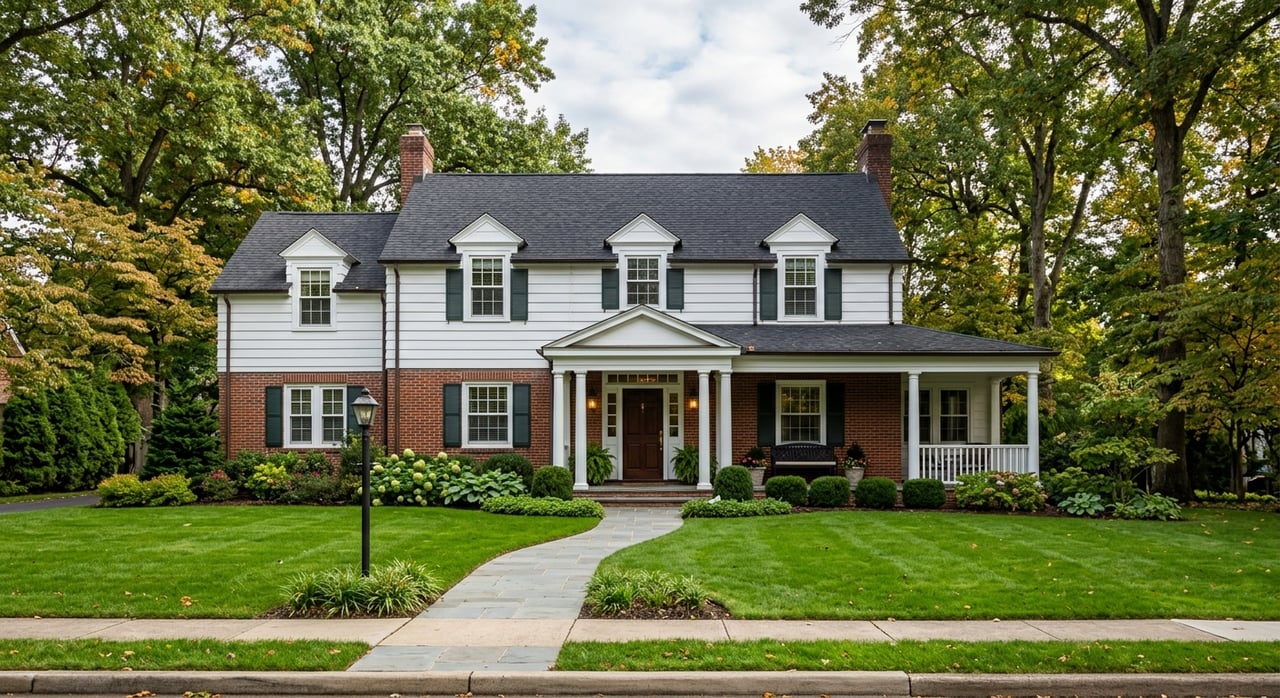
Royal Oak is an older suburb with mature trees and distinctive architecture, and much of its housing stock was built before 1960. City planning materials show 17% of homes were built in 1939 or earlier, 20% from 1940 to 1949, and 35% from 1950 to 1959. That means buyers in Royal Oak are often already looking at homes with character, age, and a mix of updates over time.
That context matters if you have stayed in your home for many years. A home does not need to feel brand new to attract interest here. It does need to be priced and presented in a way that matches its condition.
In March 2026, Royal Oak had a median listing price of $392,500, with homes spending a median of 33 days on market and selling at 99% of list price. Oakland County was also moving close to list price in April 2026, with a 99.8% sale-to-list ratio. Buyers are active, but they are still weighing condition, repair needs, and value very carefully.
Start with the right selling strategy
When you have owned a home for a long time, the biggest mistake is often doing too much in the wrong places. It is easy to spend money on cosmetic updates while leaving bigger concerns unresolved. A better approach is to decide early whether your goal is to maximize price through preparation, simplify the process with a lighter touch, or sell closer to as-is with pricing that reflects the home’s condition.
That choice should be based on the home’s current systems, your timeline, and how much work you realistically want to manage. If this is part of a senior move, trust sale, or estate transition, process and clarity often matter just as much as price.
Prioritize repairs that truly matter
For long-owned homes, the most important repair categories are usually the ones that affect safety, financing, and negotiations. Michigan’s seller disclosure form highlights the same areas buyers and lenders tend to focus on.
If you are deciding where to spend money, start with issues like these:
- Roof leaks
- Basement water intrusion
- Plumbing problems
- Electrical concerns
- Heating and cooling issues
- Structural problems
- Environmental hazards
- Unpermitted alterations
These issues can affect a buyer’s confidence and, in some cases, a lender’s willingness to close. By contrast, dated finishes may matter less if the home is clean, well cared for, and priced appropriately.
What “as-is” really means in Michigan
Many long-term owners ask if they should simply list the property as-is. That can be a reasonable option, but it helps to understand what as-is does and does not do.
An as-is sale does not prevent a buyer from inspecting the home. It mainly signals that you are not promising repairs or condition improvements after the inspection. Buyers may still ask for repairs or credits, and some loan programs may require major issues to be addressed before closing.
In practical terms, an as-is price should reflect the home’s actual condition, likely repair burden, and the chance that inspection findings will affect negotiations. If the price does not account for those realities, buyers may hesitate or come back with sharper requests later.
Use disclosures carefully and honestly
Michigan’s Seller Disclosure Act applies to most one- to four-unit residential transfers. The disclosure form is a condition statement, not a warranty, and it is not a substitute for the buyer’s inspection.
For sellers who have lived in a home for many years, the form can feel intimidating. You may not remember the exact age of the roof, the details of an old repair, or whether a past issue fully returned. Michigan allows sellers to mark items as unknown or unavailable when that is truly the case, based on the best information available.
That makes organization especially important. Before listing, gather what you can find, including receipts, permit records, warranties, and any notes about past repairs. Even incomplete records can help you answer questions more confidently and reduce confusion later.
Pre-list inspection can reduce surprises
Older homes often raise more inspection questions, even when they have been lovingly maintained. Buyers and inspectors commonly focus on structure, roofing, plumbing, electrical systems, heating and cooling, insulation and ventilation, fireplaces, and health-related concerns such as mold, radon, lead paint, and asbestos.
A pre-list inspection can help you get ahead of those conversations. It gives you a clearer picture of what a buyer is likely to notice and helps you decide what to repair, what to disclose, and where a credit may make more sense than a project.
This can be especially helpful if you are managing a trust or estate sale, coordinating with family members, or trying to avoid last-minute stress. More information up front often leads to calmer decisions and cleaner negotiations.
Clean-out matters more than full remodeling
When a home has been lived in for many years, buyers are not just looking at the property. They are also trying to understand the space itself. Too much furniture, storage, or personal content can make room sizes and layout harder to see.
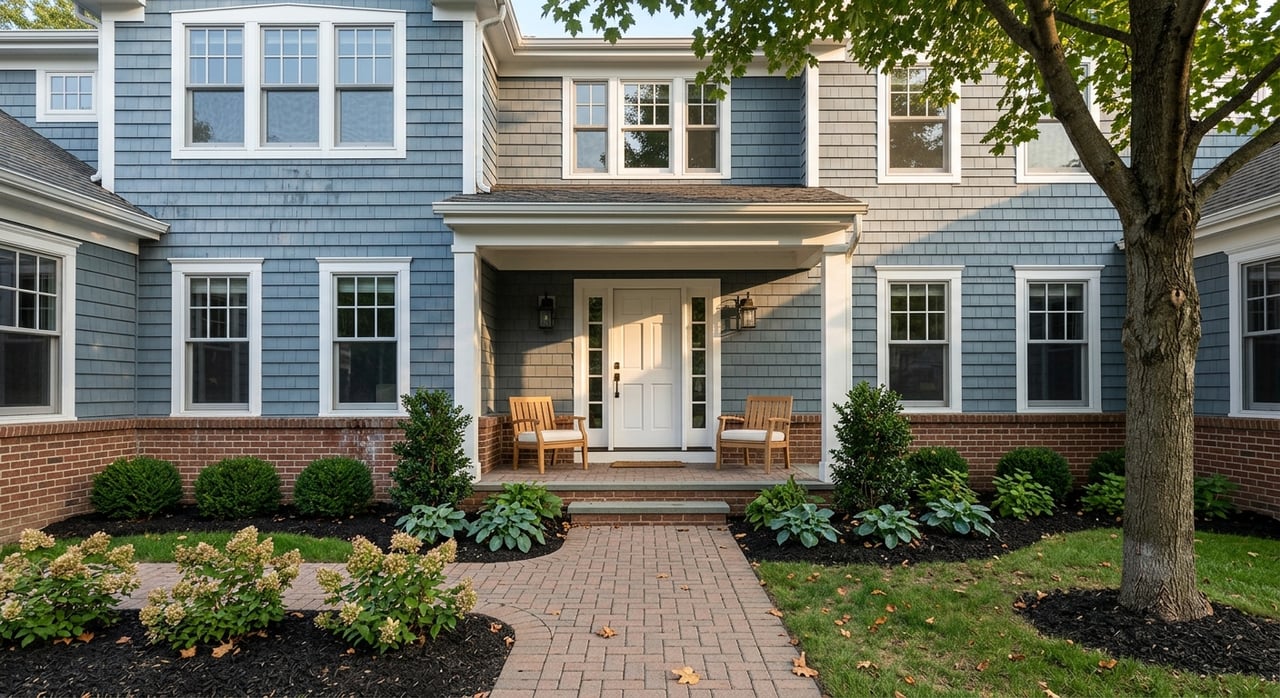
In many cases, the best preparation is not a full remodel. It is a thoughtful reset. Decluttering, deep cleaning, and improving curb appeal are often the most useful first steps.
A 2025 staging report found that 29% of agents saw a 1% to 10% increase in offered value when homes were staged, and 49% saw faster sales. The rooms buyers care about most for staging are the living room, primary bedroom, and kitchen. For a dated home, partial staging or light furnishing may be enough if the goal is to make the home feel orderly, open, and easy to understand.
Focus on presentation buyers notice
If your budget is limited, keep your attention on the areas that help buyers connect with the home quickly. Small improvements often go further than sellers expect.
Consider focusing on:
- Removing excess furniture
- Packing away personal collections and stored items
- Cleaning every room thoroughly
- Refreshing entry areas and curb appeal
- Making the living room, primary bedroom, and kitchen feel open and functional
You do not need to erase the home’s age or character. You want buyers to see the charm and understand the layout without being distracted by clutter or deferred maintenance.
Pre-1978 homes need extra planning
If your Royal Oak home was built before 1978, lead-based paint rules may apply. Sellers of most pre-1978 housing must disclose known lead-based paint or lead hazards and provide the required lead hazard information pamphlet.
This is also important if you are thinking about doing repairs before listing. If renovation or repair work will disturb painted surfaces in a pre-1978 home, certified firms and lead-safe work practices may be required under EPA rules. That makes it wise to think carefully before taking on last-minute prep work that opens walls, sands surfaces, or disturbs older painted trim.
Estate and trust sales need title clarity
If the property is being sold by heirs, a trustee, or a personal representative, it is important to confirm authority before the home goes on the market. Some fiduciary transfers and certain probate-related transfers may be exempt from Michigan’s Seller Disclosure Act, but the details matter.
Michigan probate law also says a personal representative may need court approval to sell a decedent’s real property depending on the estate. If the home is part of an estate or trust administration, confirming title, authority, and any required approvals early can prevent delays once a buyer is in place.
This is one reason a process-driven listing approach matters so much in long-term ownership situations. The home may be only one part of a larger legal and family transition.
Do not forget the closing checklist
After a sale or inherited transfer, Michigan’s Property Transfer Affidavit must be filed by the new owner with the local assessor within 45 days of transfer, even if a deed is not recorded. That is a small item that can be easy to miss during a busy closing period.
A good plan keeps details like this from slipping through the cracks. When a sale involves long-term ownership, estate administration, or downsizing, strong coordination can make the experience feel much more manageable.
A calmer way to list a long-owned home
Selling an older Royal Oak home after many years of ownership is rarely just a pricing exercise. It is a process that calls for clear decisions about repairs, disclosures, clean-out, and timing. The strongest outcomes usually come from matching the strategy to the home, the market, and your real-life goals.
If you want a steady, thoughtful plan for a long-owned home, estate property, or senior move in Royal Oak or the surrounding Metro Detroit suburbs, Abby Kushner offers confidential, high-touch guidance designed to make complex transitions feel more manageable.
FAQs
What repairs matter most when listing an older Royal Oak home?
- The most important repairs are usually issues that affect safety, financing, or negotiations, such as roof leaks, basement water, plumbing, electrical, heating and cooling, structural concerns, environmental hazards, and unpermitted work.
What does an as-is home sale mean for a Royal Oak seller?
- An as-is sale usually means you are not agreeing in advance to make repairs or condition guarantees, but buyers can still inspect the home and may still request repairs or credits.
What should a long-term Michigan homeowner do about seller disclosures?
- You should complete the disclosure form using the best information available, and Michigan allows answers to be marked unknown or unavailable when you truly do not know.
Should you get a pre-list inspection for an older home in Royal Oak?
- A pre-list inspection can help you identify likely buyer concerns early so you can decide what to repair, what to disclose, and where pricing or credits may make more sense.
How should you prepare a long-owned home for sale without remodeling?
- In many cases, the most effective prep is decluttering, deep cleaning, improving curb appeal, and making key spaces like the living room, primary bedroom, and kitchen easier for buyers to understand.
What should heirs or trustees confirm before listing a Royal Oak property?
- Heirs, trustees, and personal representatives should confirm title, authority to sell, and whether any probate-related approvals are needed before putting the home on the market.