Wondering whether a condo is the right move for your next chapter in West Bloomfield? If you love the area but feel less excited about yard work, exterior upkeep, or the demands of a larger home, you are not alone. In a township where many residents are long-term homeowners and 23.6% of the population is age 65 or older, it makes sense to ask whether your home still fits your life. This guide will help you weigh the tradeoffs, understand how condo ownership works in Michigan, and decide what kind of move supports your goals best. Let’s dive in.
Why this question matters in West Bloomfield
West Bloomfield is a place where many people want to stay, even if they want to change how they live. Census QuickFacts reports an owner-occupied housing rate of 83.6%, along with a median owner-occupied home value of $426,200. That tells you this is a community with a strong culture of homeownership, not a place where attached housing dominates the landscape.
That is part of what makes the condo decision so important here. In West Bloomfield, choosing a condo is often less about leaving the community and more about changing your maintenance burden, time commitment, and day-to-day responsibilities. For many buyers, it is a way to stay connected to the township while making life feel simpler.
West Bloomfield also offers local amenities that can support that shift. The township park system includes 580 acres across 14 parks, along with assets like the West Bloomfield Trail, Pine Lake Park, Marshbank Park, and senior-focused programming. If you want access to recreation and green space without managing a large private lot, that may be part of the appeal.
What condo ownership means in Michigan
Before you decide whether a condo is right for you, it helps to understand what you are actually buying. Under Michigan condominium rules, you typically own your individual unit while sharing ownership of common elements with other co-owners. What counts as private space and what counts as shared space is defined by the master deed and subdivision plan.
That matters more than many buyers expect. In some projects, shared elements may include major systems or structural components, depending on the condo documents. The association also sets monthly maintenance fees and may assess owners for common-element repairs when the bylaws allow it.
In plain terms, condo living often means less personal responsibility for exterior maintenance, but also less unilateral control. You are trading some independence for shared management, shared costs, and a more structured set of rules.
Condos do not always look alike
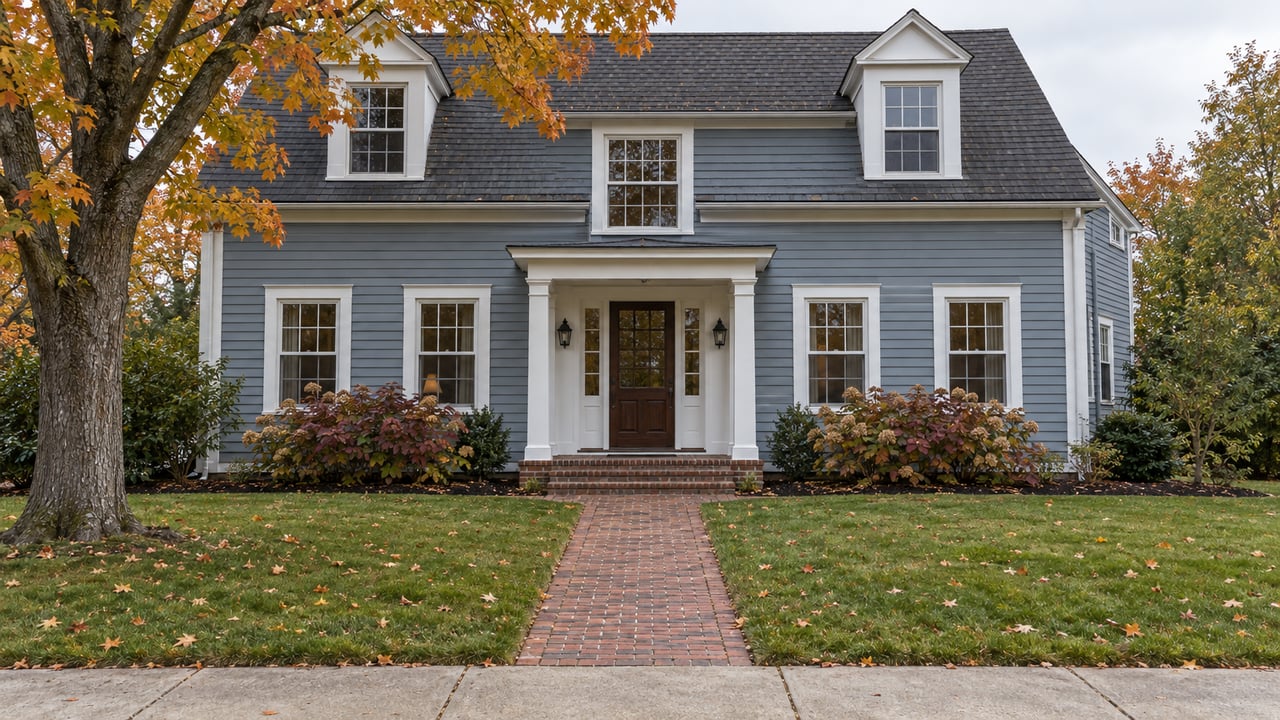
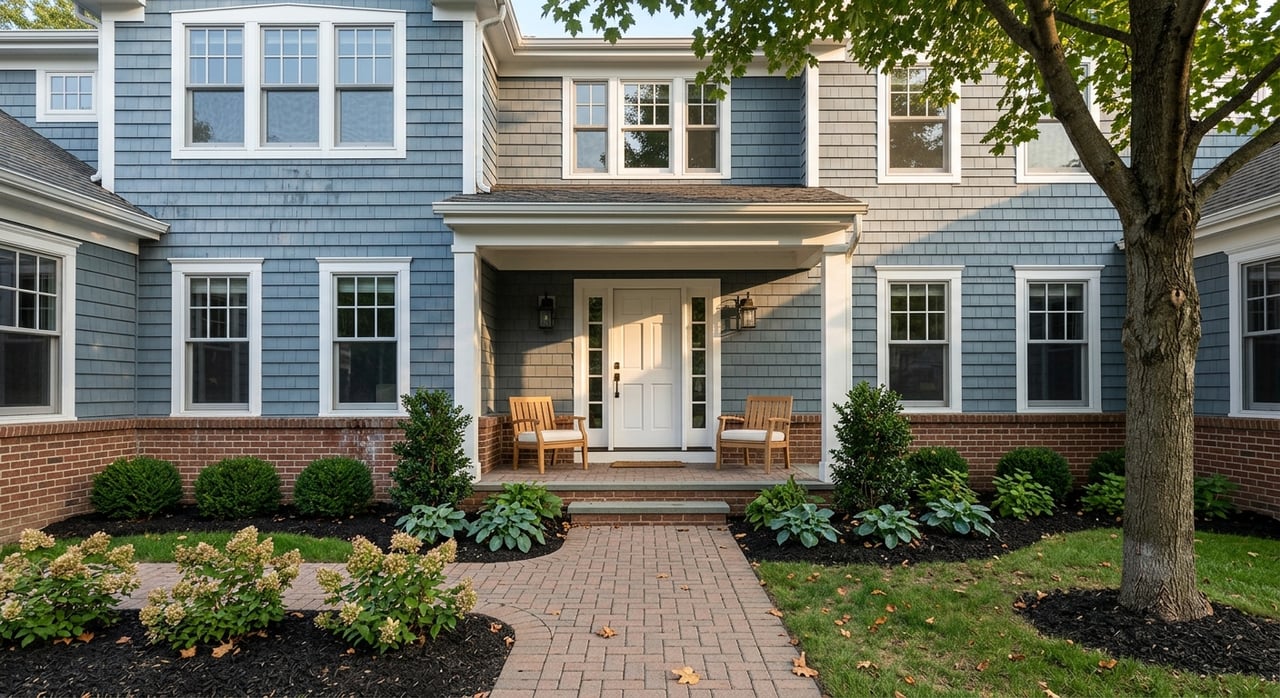
In Metro Detroit, some condominiums look and feel like traditional attached units, while others do not. Michigan also recognizes site condominiums, which are developments with detached single-family homes governed as condos. That means a property may look like a house but still operate under condominium rules.
If you are comparing options in West Bloomfield, this is an important distinction. A detached site condo may give you a familiar layout and more separation from neighbors, while still placing you under an association structure with fees, bylaws, and shared obligations.
What a West Bloomfield condo may offer
A condo can be a smart fit if your priorities are changing. If you want less yard work, fewer exterior maintenance tasks, easier travel, or a simpler home base, a condo may align well with your next stage of life. That can be especially relevant during retirement, after a family change, or when you are helping a parent or loved one make a move.
The key is to think beyond square footage. A condo may support aging in place in a broader sense, meaning it helps you live safely, comfortably, and independently in the community you choose. For some people, that is not a compromise. It is a strategic move that better fits how they want to spend their time.
You may also find that condo living supports flexibility. If you travel often, want a more manageable property, or simply prefer fewer home-maintenance tasks on your calendar, the structure can be appealing.
Signs a condo may fit your next chapter
A West Bloomfield condo may be worth a closer look if you want:
- Less responsibility for exterior upkeep
- A simpler routine with fewer home-maintenance demands
- Access to nearby parks, trails, and township amenities
- A home that may better support future mobility or caregiving needs
- To stay in West Bloomfield without keeping the same type of property
Where condo living can feel limiting
A condo is not automatically the best fit just because you want less work. Michigan condo ownership places real weight on association rules, shared decision-making, and project documents. If you want full control over your property, a condo may feel restrictive.
This is especially true if you value a large yard, significant privacy, or the ability to make exterior changes without approval. Bylaws may address pets, rentals, outdoor displays, and unit modifications. Even when a rule seems minor at first, it can shape your day-to-day experience more than you expect.
You should also be comfortable with the fact that some costs are shared and not fully optional. If the association approves repairs or assessments under the governing documents, owners are responsible for paying their portion.
Signs a condo may not be the best fit
A condo may be less appealing if you strongly prefer:
- A large private yard
- Maximum privacy from neighboring units
- Full control over exterior design changes
- Minimal rules about pets, rentals, or use of outdoor areas
- Independent decision-making without association approval
What condo fees really cover
One of the biggest questions buyers ask is whether condo fees are worth it. In Michigan, those fees usually support common-element maintenance and reserves, not just visible amenities. So even if a community does not have a clubhouse or pool, the fee may still be funding real ongoing obligations.
That can include maintenance of shared grounds, exterior components, and reserve planning for major repairs or replacements. Importantly, Michigan requires associations to maintain a reserve fund for major repairs and replacement of common elements, with a minimum reserve amount of 10% of the annual budget on a non-cumulative basis.
This is why a low monthly fee is not always a bargain. The better question is whether the budget, reserve funding, and long-term repair planning appear realistic.
Fees can rise and assessments can happen
Monthly maintenance fees are not fixed forever. The association determines those fees, and special assessments may be charged when the bylaws allow it. Unpaid fees and assessments can become a lien on the unit.
You should also know that choosing not to use common areas does not remove the obligation to pay. Whether or not you use a trail entrance, community green space, or other shared feature, your responsibility as an owner remains the same.
What to review before you buy
If you are seriously considering a condo in West Bloomfield, document review matters. Michigan’s Condominium Buyer’s Handbook makes clear that buyers should read the bylaws carefully and review the association’s financial information. This step can tell you a great deal about how the community is managed.
Ask for key records early so you can make a more informed decision. You want a clear picture of not just the unit, but the association behind it.
Condo due diligence checklist
Before buying, ask to review:
- The bylaws and master deed
- The association budget
- Reserve fund information
- Insurance details
- Recent association records and financial statements
- Any available records about major repairs or pending work
If the project is older, also ask whether there is an architect or engineer report on major building components and their useful life. That can help you understand whether future repairs may be around the corner.
Financing questions to ask early
If you plan to finance your purchase, do not wait until late in the process to ask loan-related questions. For FHA financing, HUD says the condominium project must be approved before FHA mortgage insurance can be processed for individual units, although some units in non-approved projects may qualify under single-unit approval rules.
That means project eligibility can affect your options. If you think you may use FHA financing, verify that early so you do not lose time or momentum. Condo financing can be more project-specific than financing a detached house, so it is wise to confirm the details upfront.
A better way to compare condo vs. house
In West Bloomfield, this decision is not just about price per square foot. It is about matching your ownership structure to your life. A condo may simplify your schedule and reduce certain maintenance tasks, but it also comes with monthly fees, shared governance, and less control.
A detached home may offer more privacy and freedom, but it usually asks more of your time, budget planning, and physical energy. In a market where single-family homes remain the dominant land use and condo-style living is a smaller slice of the housing mix, your choice may come down to how you want to live, not just what you want to own.
Try asking yourself a few practical questions:
- Will a condo simplify your life enough to justify the monthly fee?
- Does the floor plan work for your future needs?
- Are you comfortable living under association rules?
- Does the association appear financially sound?
- Can you finance the unit with your preferred loan type?
If your answers point toward simplicity, flexibility, and lower maintenance, a condo may be a strong next step. If your answers point toward privacy, control, and outdoor space, another type of property may serve you better.
The real question: fit, not hype
The best condo decision is rarely about whether condos are good or bad. It is about whether a specific West Bloomfield condo supports your time budget, maintenance tolerance, privacy preferences, and long-term plans. For some buyers, that means downsizing. For others, it means rightsizing for a life transition, caregiving need, or retirement chapter.
That is why this choice deserves a calm, informed review. When you understand the documents, the fees, and the tradeoffs, you can choose a home that supports your next chapter with more confidence and less stress.
If you are weighing a move in West Bloomfield and want a thoughtful, pressure-free conversation about what comes next, Abby Kushner can help you sort through the practical details with clarity and care.
FAQs
What does condo ownership mean in West Bloomfield, Michigan?
- In Michigan, you typically own your unit and share ownership of common elements with other co-owners, as defined by the condo documents.
What do condo fees usually cover in a Michigan condo?
- Condo fees usually cover common-element maintenance and reserve funding, not just amenities.
Can condo fees increase in a West Bloomfield condo community?
- Yes. The association sets monthly fees and may also charge special assessments when the bylaws allow it.
Do West Bloomfield condo owners still pay property taxes?
- Yes. Michigan treats each condo unit as a separate unit of real property for property-tax and special-assessment purposes.
What documents should you review before buying a condo in Michigan?
- Review the bylaws, master deed, budget, reserve information, insurance details, and recent association records before you buy.
Are all condos in West Bloomfield attached units?
- No. Michigan also recognizes site condominiums, which can look like detached single-family homes while still operating under condo rules.
Is a condo a good option for downsizing in West Bloomfield?
- It can be, especially if your goal is to reduce maintenance and stay in the community while changing your ownership structure.