If you love Royal Oak’s energy but want to understand what life looks like beyond the downtown blocks, you are asking the right question. For many buyers, the real decision is not just whether to move to Royal Oak, but which part of the city best fits their routine, commute, and housing style. This guide will help you see how Royal Oak’s neighborhood pockets differ, what shapes daily life in each area, and what to notice before you make a move. Let’s dive in.
How Royal Oak Is Organized
Royal Oak is a compact inner-ring suburb with 11.8 square miles, 58,211 residents, and 28,971 households. Even in a relatively small city, the neighborhood experience can change from one pocket to the next. That is part of what gives Royal Oak its appeal.
The city’s Neighborhood Design Plan focuses on preserving distinct neighborhood identities, a small-town feel, and reinvestment opportunities in a walkable, connected setting. In practical terms, that means Royal Oak is not just “downtown and everything else.” It is a mix of established residential areas, neighborhood business districts, and different housing patterns that create meaningful variation across the city.
The city also maintains a homeowners and neighborhood associations directory that reflects how many local pockets are recognized. Names like Arlington Park, Starr-Jaycee, Southpointe, Terraces, Vinsetta East, Vinsetta Park, Westwood, and Woodwardside help you think about Royal Oak in a more local, street-level way.
What Sets Neighborhood Pockets Apart
When you look beyond downtown, three things tend to shape your experience most: housing character, park access, and how easily you can handle errands or commuting. Those factors often matter more in daily life than a simple map search.
Some buyers want older homes and established streets. Others care most about nearby green space, dog walking, or quick access to main corridors. In Royal Oak, those priorities can point you toward different parts of the city.
Housing Styles Across Royal Oak
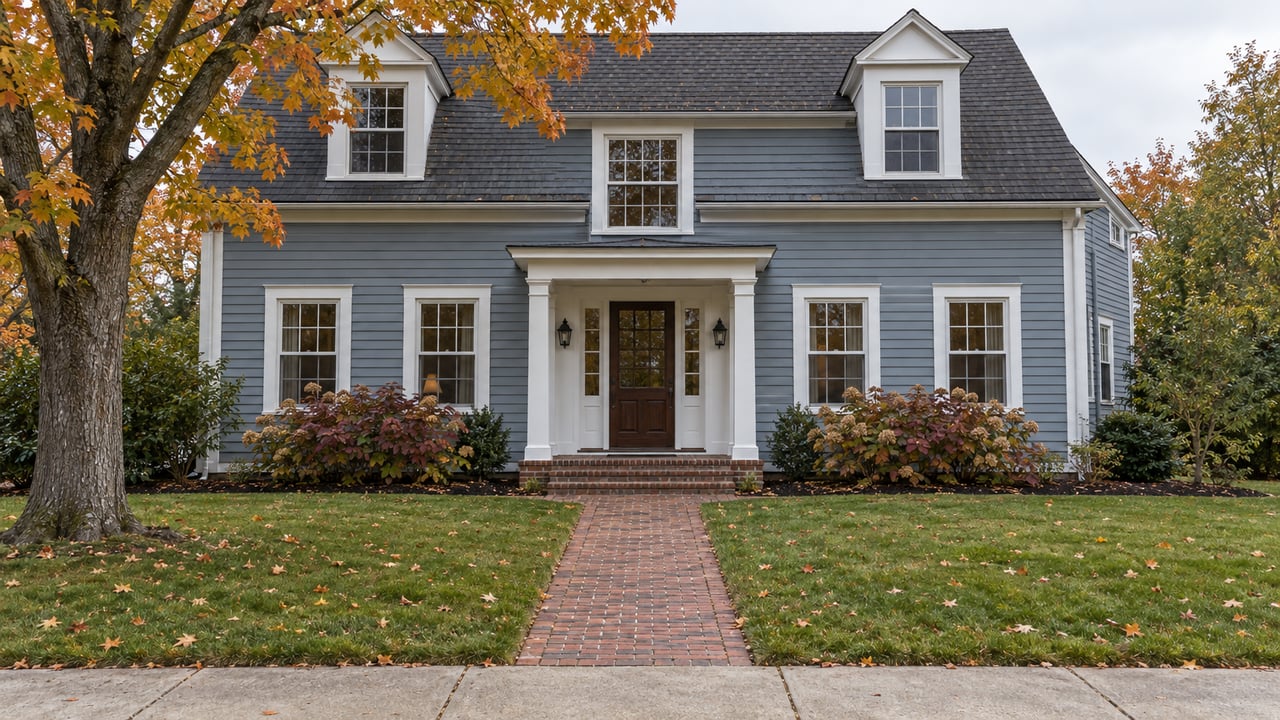
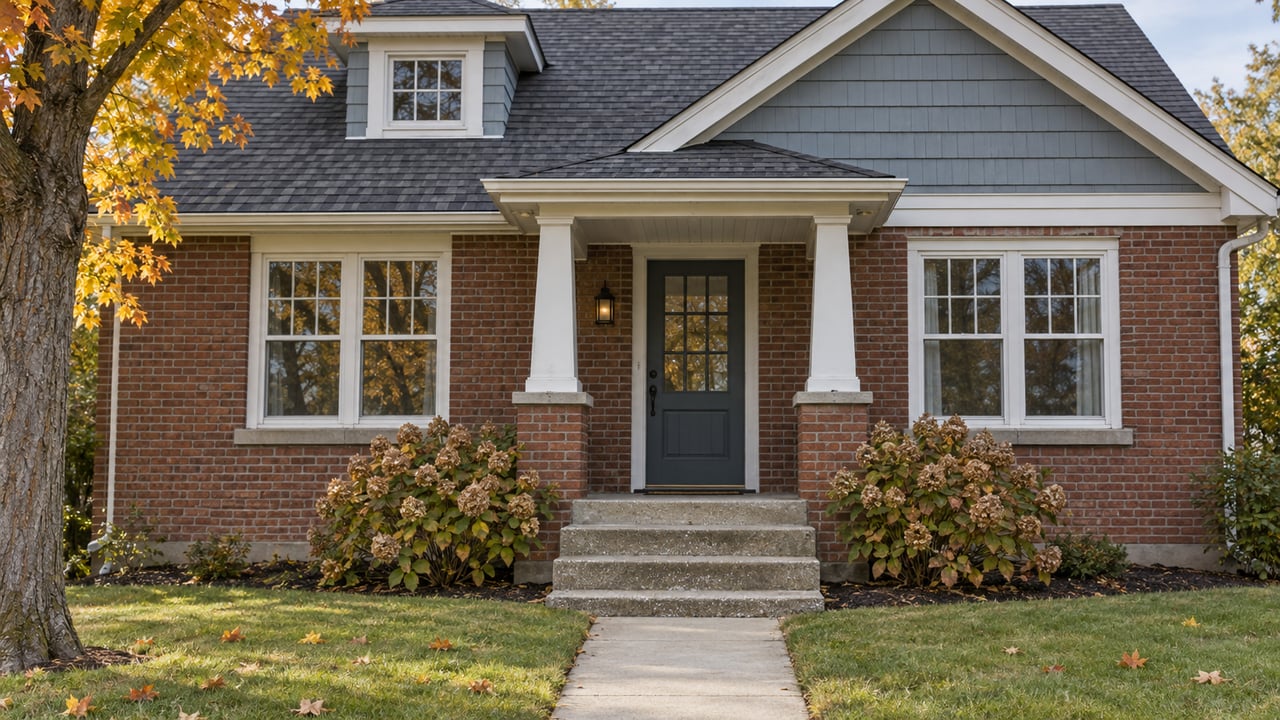
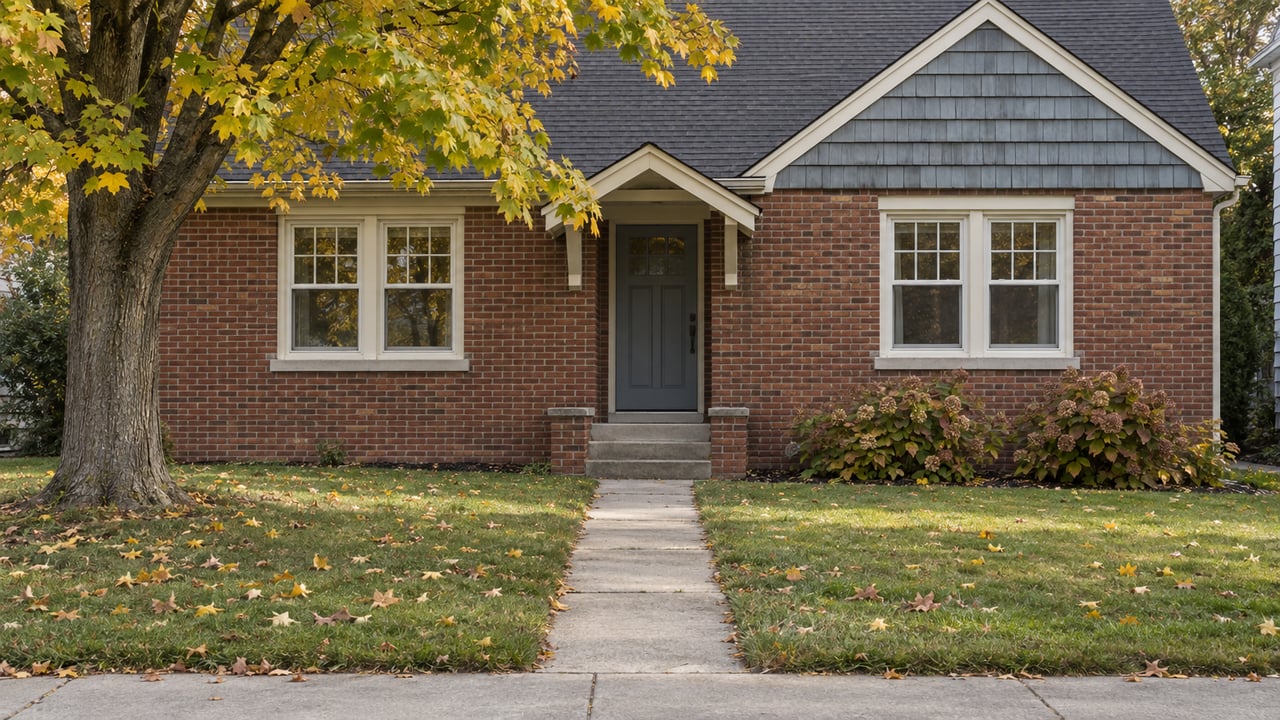
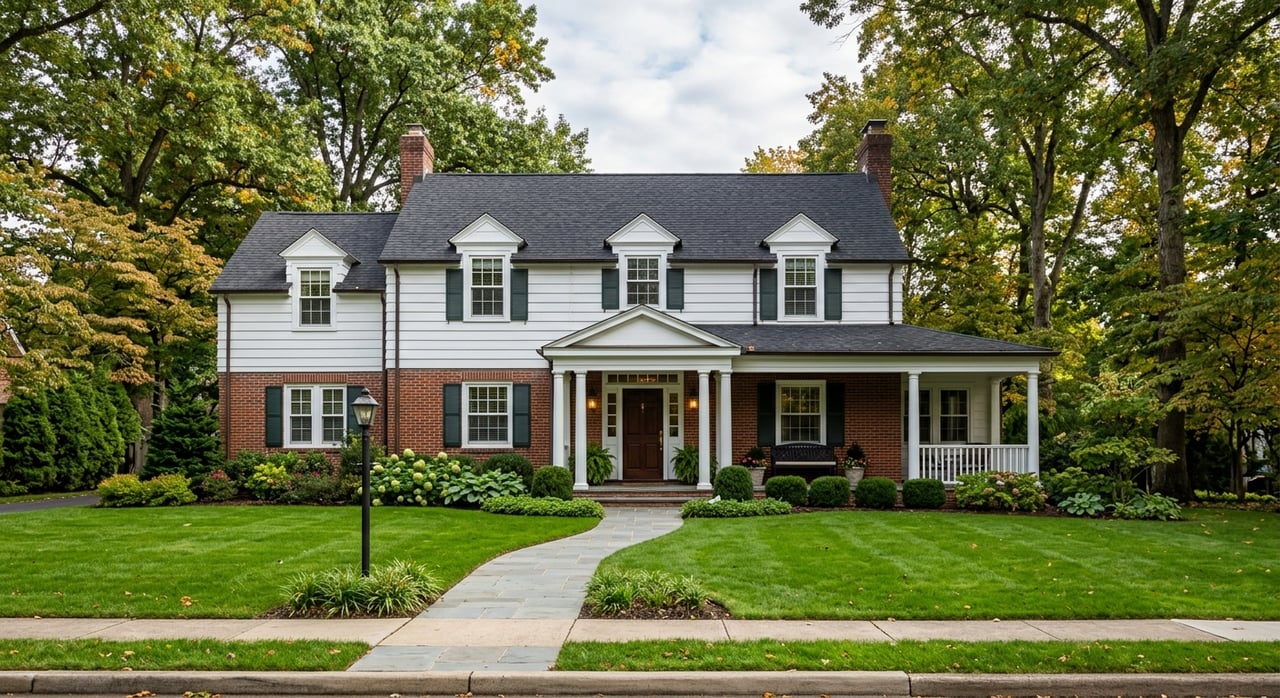
Royal Oak’s housing stock is intentionally varied. City information and sales data point to a mix of bungalow, colonial, ranch, and colonial/two-story homes, which gives buyers a wider range of options than they may expect in a city this size.
That mix also supports different goals. You may be looking for a smaller home with original character, a deeper lot, or a more updated two-story layout. Royal Oak’s variety makes it possible to narrow your search by lifestyle, not just price point.
Older Character and Historic Context
Royal Oak’s architectural history runs deep. The city has 15 city-designated historic districts, including the Orson Starr House, the L.A. Young Historic District, the Vinsetta Bridges, and the Royal Oak Farmers Market district.
The Orson Starr House dates to 1845 and is identified by the city as a Greek Revival home. That detail matters because it shows how long the area’s residential story has been developing. In some parts of Royal Oak, you feel that history in the street patterns, mature trees, and established housing fabric.
Vinsetta and North-Central Feel
The Vinsetta Boulevard overlay district is one of the clearest examples of neighborhood character shaping the city. The overlay was created to preserve part of the Forest Heights subdivision, where the principal use is single-family detached housing on deeper-than-typical lots.
For you as a buyer, that can translate into a more established residential feel in certain north-central pockets. If you are drawn to tree-lined streets, larger lots, and a more consistent neighborhood rhythm, this part of Royal Oak may deserve a closer look.
Why Trees Matter Here
Royal Oak repeatedly describes itself as a city of trees, and that is not just branding. The city says most residential neighborhoods have large trees lining both sides of the street and meeting overhead, which has a real impact on the feel of everyday living.
That canopy shapes how a street feels when you walk, bike, or drive home at the end of the day. It can make even simple routines like an evening walk or a trip to the park feel more settled and neighborhood-oriented. Royal Oak has also earned Tree City USA recognition every year since the program began.
Parks That Shape Daily Life
Parks are a major part of life outside downtown. Royal Oak’s Parks & Forestry Division maintains 49 park sites across more than 310 acres, and the city also highlights two nature preserves, Cummingston Park and Tenhave Woods.
Those preserves are heavily wooded, each exceeds 20 acres, and both are open daily from dawn to dusk. The Fred A. Erb Arboretum behind the senior center adds another natural asset to the city’s park system.
For buyers, this matters because park access often changes your weekly routine more than expected. It affects where you walk, where children play, where pets get exercise, and how easy it feels to spend time outdoors close to home.
Starr-Jaycee Area
Starr Jaycee Park is a 28-acre park with a mature tree canopy, disc golf, fitness stations, pavilions, playground space, and miniature train rides on the first full weekend of each month from May through October. That mix makes it one of the city’s more active and flexible park destinations.
If you picture weekends outdoors or want recreation close to home, the surrounding neighborhood pocket may be especially appealing. A park like this can become part of your routine quickly, not just a place you visit once in a while.
Memorial and 13 Mile Area
Memorial Park sits at 13 Mile and Woodward and includes baseball and softball fields, a football field, a tennis court, a playground, and a pavilion. This location helps define part of the city’s northern edge and adds another layer to the 13 Mile and Woodward area.
For some buyers, that means balancing residential calm with access to a strong activity corridor. You may appreciate having both park amenities and a well-connected location nearby.
Marais and Vinsetta Pockets
Marais Park sits just off Vinsetta Boulevard north of 12 Mile and is known locally for Bicycle Hill and winter sledding. That gives this area a neighborhood-scale open-space feel that is different from the city’s larger active parks.
If you are drawn to north-central Royal Oak, nearby access to Marais Park can be a meaningful part of the appeal. It supports a lifestyle centered on local outdoor space rather than relying only on downtown destinations.
Northwest Side and Dog Owners
Mark Twain Park, in the northwest corner of the city, is Royal Oak’s only dog park. For pet owners, that is more than a nice extra. It can be a deciding factor when choosing where to live.
If regular dog exercise is part of your weekly rhythm, the northwest side may deserve more attention. That area also connects well with buyers who value park-based routines and neighborhood outdoor access.
Normandy Oaks for Recreation
Normandy Oaks Park offers a splash pad, soccer field, playground, pavilion, and restrooms. It adds another family-oriented recreation option outside the downtown core.
For buyers comparing neighborhood pockets, amenities like these can help you picture real life more clearly. It is easier to imagine summer afternoons, weekend playtime, or casual meetups when a well-equipped park is nearby.
Getting Around Royal Oak
Location is one of Royal Oak’s biggest practical strengths. The city notes convenient access to I-696 and I-75, and city information also points to easy access from Woodward Avenue, I-75, and I-696.
That matters if your daily life extends well beyond Royal Oak. Whether you commute across Metro Detroit, visit family often, or want flexibility for errands and appointments, these connections can make a real difference.
Keep Construction in Mind
In 2026, MDOT’s Restore the Reuther project continues to affect the I-696 and I-75 interchange. The project includes ramp closures and detours, and eastbound I-696 is closed through late 2026.
If commute convenience is high on your list, be realistic about current traffic patterns and route flexibility. A neighborhood that looks ideal on paper may feel different once you factor in active interchange construction.
Why 11 Mile Matters
Royal Oak is actively reshaping the 11 Mile corridor. Planned work for 2027 and 2028 between Woodward Avenue and Stephenson Highway includes a 10-foot side path, pedestrian crossing islands, tree planting, green space, on-street parking along part of the corridor, and green infrastructure.
That is important because it points to a more complete neighborhood edge, not just a drive-through corridor. If you want connectivity outside downtown, 11 Mile may become an even more interesting line on your search map.
Commercial Life Outside Downtown
One of the biggest misconceptions about Royal Oak is that everything revolves around downtown. In reality, the city’s zoning framework includes neighborhood business districts, and activity also clusters along Woodward, 11 Mile, and the 13 Mile and Woodward area.
That gives you options if you want a quieter residential pocket without feeling disconnected. You may be able to live outside the busiest part of the city while still staying close to everyday conveniences and commercial corridors.
Transit and Low-Driving Options
SMART identifies the Royal Oak Transit Center as an on-street transfer center, and Woodward service connects to it. That adds another layer of mobility for residents who prefer to drive less or want transit as part of their routine.
The city also operates transportation for residents age 60 and older and for adults with permanent disabilities, within set boundaries and with advance scheduling. If transportation planning is part of your move, these services are worth knowing about early.
Which Neighborhood Feel Fits You Best
If you want older character, deeper lots, and established streets, you may want to focus on Vinsetta-adjacent pockets, Marais, and other north-central areas tied to older housing stock and historic overlays. These parts of Royal Oak often align with buyers who care about setting and long-term neighborhood character.
If you want a park-centered routine, pay close attention to areas near Starr-Jaycee, Memorial Park, Normandy Oaks, and the northwest side near Mark Twain Park. Those locations can support a more active day-to-day lifestyle.
If commuting convenience is your top priority, look carefully at proximity to Woodward, 11 Mile, I-75, and I-696 while factoring in current interchange work. The best fit may be the neighborhood that gives you the most flexible route options, not simply the shortest distance on a map.
Royal Oak works well for buyers because it offers more than one version of suburban living in a connected, walkable city. When you understand how the neighborhood pockets differ, your search becomes clearer and far less stressful.
If you want help narrowing down which part of Royal Oak fits your lifestyle, timeline, or next chapter, Abby Kushner offers thoughtful, high-touch guidance with a calm, process-driven approach.
FAQs
What are the main neighborhood areas beyond downtown Royal Oak?
- Royal Oak recognizes a range of neighborhood pockets through its homeowners and neighborhood associations directory, including Arlington Park, Starr-Jaycee, Southpointe, Terraces, Vinsetta East, Vinsetta Park, Westwood, and Woodwardside.
What kinds of homes can you find in Royal Oak neighborhoods?
- Royal Oak has a varied housing stock that includes bungalow, colonial, ranch, and colonial/two-story homes, along with areas shaped by historic districts and established residential patterns.
Which Royal Oak areas may appeal to buyers who want older character?
- Buyers looking for older character, deeper lots, and established streets may want to focus on Vinsetta-adjacent pockets, Marais, and other north-central neighborhoods with older housing stock and historic context.
Which Royal Oak neighborhoods are best for park access?
- Areas near Starr Jaycee Park, Memorial Park, Normandy Oaks Park, Marais Park, and Mark Twain Park can offer strong access to outdoor recreation, depending on the type of park use you want most.
What should Royal Oak buyers know about commuting in 2026?
- Royal Oak offers access to Woodward Avenue, I-75, and I-696, but buyers should also account for ongoing MDOT work at the I-696 and I-75 interchange, including closures and detours through late 2026.
Does Royal Oak offer transit options outside driving?
- Yes. SMART service connects through the Royal Oak Transit Center, and the city also operates transportation services for residents age 60 and older and for adults with permanent disabilities within program boundaries.