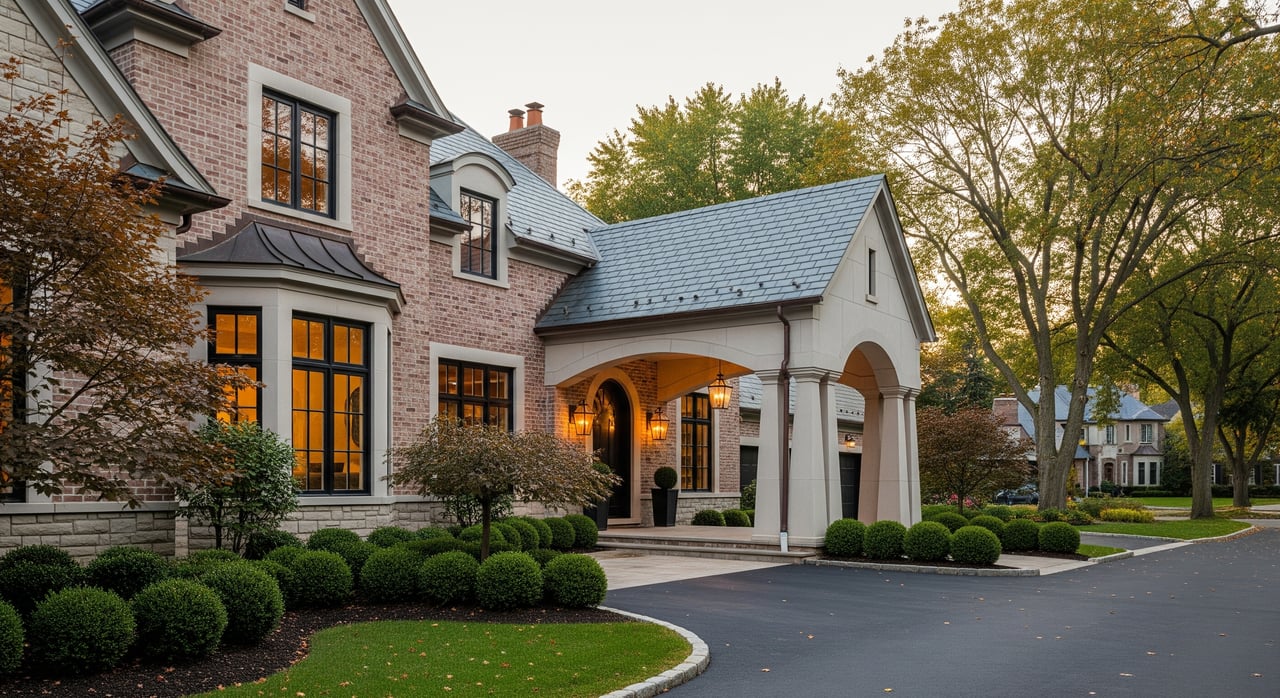
Saving up for a down payment in Farmington Hills can feel like trying to hit a moving target. Prices have held in the mid 300s for many homes, and closing costs add up fast. If you want to buy but your savings need a boost, Michigan’s MI 10K Down Payment Assistance could be the missing piece. In this guide, you’ll learn what the program is, who qualifies, how it can lower your cash to close, and the exact steps to use it locally. Let’s dive in.
MI 10K DPA at a glance
MI 10K DPA provides up to $10,000 as an interest‑free, deferred second loan to help with your down payment, closing costs, and prepaid items. You make no monthly payment on the assistance. You repay it when you sell, refinance, pay off the first mortgage, or if the home is no longer your primary residence. Review the program page for details.
You must pair MI 10K with an MSHDA MI Home Loan through a participating lender. MSHDA expanded the program statewide, so it is available for purchases in Farmington Hills.
Homebuyer education is required. Plan to complete an MSHDA‑approved course and provide the certificate to your lender. You can find resources from the MI 10K DPA page.
Who qualifies in Farmington Hills
MSHDA sets income limits by county and household size. These limits were updated effective May 1, 2025, and your lender will apply the current chart based on your loan registration date. Check with your lender and refer to MSHDA’s lender guidance on current limits.
For 2025, the MI Home Loan purchase price cap is $544,233. Your home price and income must both meet program rules. See the same MSHDA lender update for the cap.
The MI Home Loan works with common first‑mortgage types, including conventional, FHA, VA, and USDA, when originated by an approved MSHDA lender. Program minimum credit scores often start around 640, and underwriting standards like debt‑to‑income are set by the lender and MI Home Loan rules. Review the MI Home Loan overview and confirm lender requirements from MSHDA’s lender resources.
Some MSHDA programs cannot be combined. For example, the newer First‑Generation DPA has different rules and is not designed to stack with MI 10K. Learn more in MSHDA’s program announcement and First‑Generation DPA FAQs.
What $10,000 covers locally
Many Farmington Hills homes sell in the mid 300s. Here is how MI 10K can help you bridge the gap:
- At a $370,000 price, $10,000 equals about 2.7 percent of the purchase price.
- At a $380,000 price, $10,000 equals about 2.6 percent of the purchase price.
Because many low‑down conventional options require 3 to 5 percent down, MI 10K can cover a big portion of your down payment or shift dollars to closing costs and prepaid taxes and insurance. Exact use depends on your loan type and lender. See permitted uses on the MI 10K DPA page.
What MI 10K does not usually cover includes earnest money, inspection and appraisal fees, lender reserves if required, and any costs beyond program limits. Your lender can prepare a Loan Estimate showing your projected cash to close with MI 10K applied.
Step‑by‑step: how to use MI 10K
- Confirm basics with a participating lender
- Share household size, income, and a credit snapshot. Ask the lender to verify the current income limit and the purchase price cap for Oakland County based on your file’s registration date. Reference MSHDA’s limit update.
- Complete homebuyer education
- Take an MSHDA‑approved course and get your certificate. Start from the MI 10K DPA resource page.
- Get a full preapproval with MI 10K noted
- Use a lender experienced with MI Home Loan files. Confirm your first‑mortgage type, credit score requirement, any cash‑reserve rules, and a detailed DPA and closing cost estimate. See MSHDA lender resources.
- Work with a local agent who understands MSHDA
- An experienced agent can time the DPA reservation, coordinate seller credits, and structure your offer for today’s Farmington Hills market.
- Review title and closing details early
- MI 10K is a recorded second mortgage. Confirm how it will appear on your Closing Disclosure and how future refinances or a sale will handle the lien. The program page explains repayment events.
- Plan your cash to close
- Even with MI 10K, expect to bring some funds for items the program does not cover. Ask your lender to outline options for seller concessions and prepaid escrows.
Plan for taxes and schools
Property taxes affect your monthly payment and cash needed for escrows. Farmington Hills and Oakland County collect a mix of city, county, school, and library millages. For billing schedules and payment details, use the city’s property tax page.
School assignment is based on address and can vary by neighborhood. Much of the city is served by Farmington Public Schools. If schools factor into your search, review the district’s enrollment and boundary information and confirm assignments for specific properties.
Refinance and resale considerations
MI 10K is a deferred loan secured by a second mortgage. You repay it when you sell, transfer the home, pay off the first mortgage, or refinance. Some refinance scenarios may have restrictions or require approval. Discuss options with your lender before planning a refinance. For an overview of repayment triggers, see the MI 10K DPA page.
Ready to buy in Farmington Hills?
If MI 10K could help you bridge the gap, let’s map out a plan that fits your budget and timing. From preapproval and homebuyer education to offer strategy and closing, you deserve steady guidance and clear next steps. Connect with Abby Kushner to start your Farmington Hills purchase with confidence.
FAQs
Can I use MI 10K to buy a home in Farmington Hills?
- Yes. MI 10K is available statewide, including Farmington Hills, when paired with an MI Home Loan and when you meet income and price limits.
How do I qualify for MI 10K in Oakland County?
- You must meet MSHDA income limits for your household size, stay under the purchase price cap, complete homebuyer education, and qualify for an MI Home Loan with a participating lender.
Will MI 10K cover my entire down payment in Farmington Hills?
- It may cover a large share, especially with 3 to 5 percent down programs, but you should still plan for some cash to close for fees, escrows, and any required minimum contributions.
Is MI 10K a grant or a loan?
- It is a 0 percent, deferred second loan with no monthly payment that is repaid when you sell, refinance, or pay off the first mortgage.
Can I combine MI 10K with other assistance?
- Some programs cannot be combined. For example, First‑Generation DPA has different rules. Ask your lender to confirm compatibility before you apply.
What loan types work with MI 10K?
- Conventional, FHA, VA, and USDA loans can work when originated by an approved MSHDA lender under the MI Home Loan program.