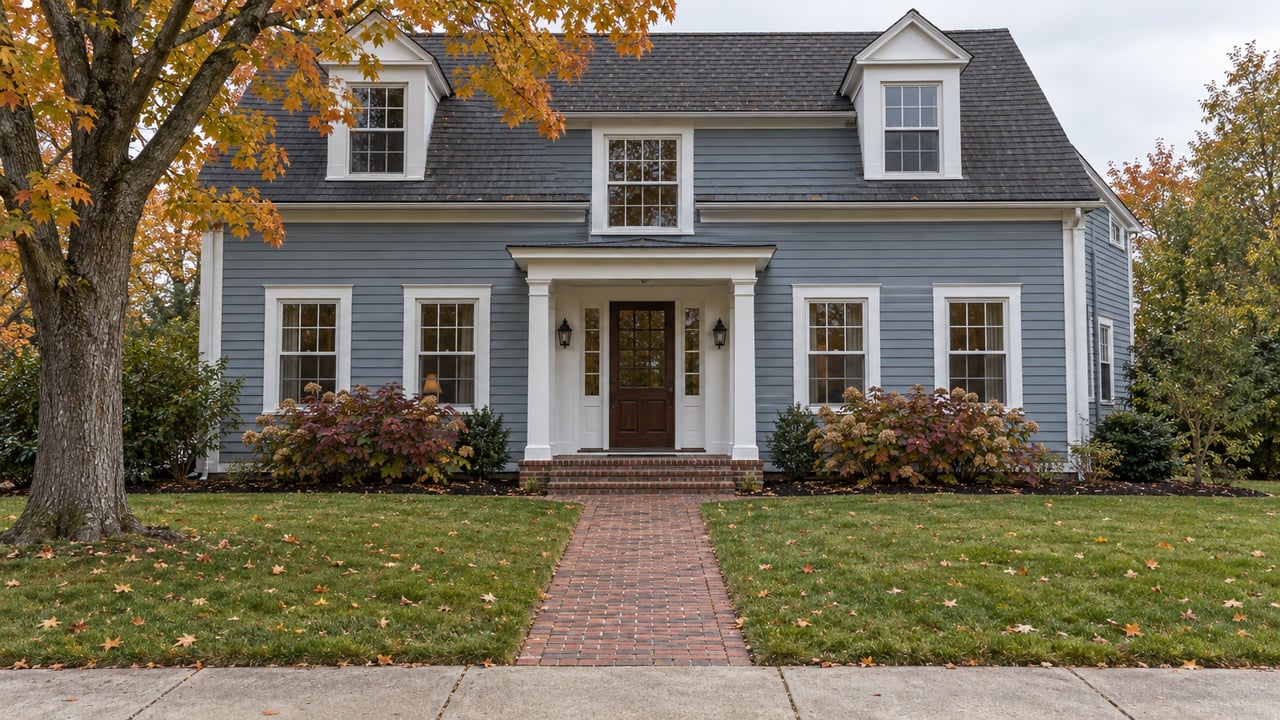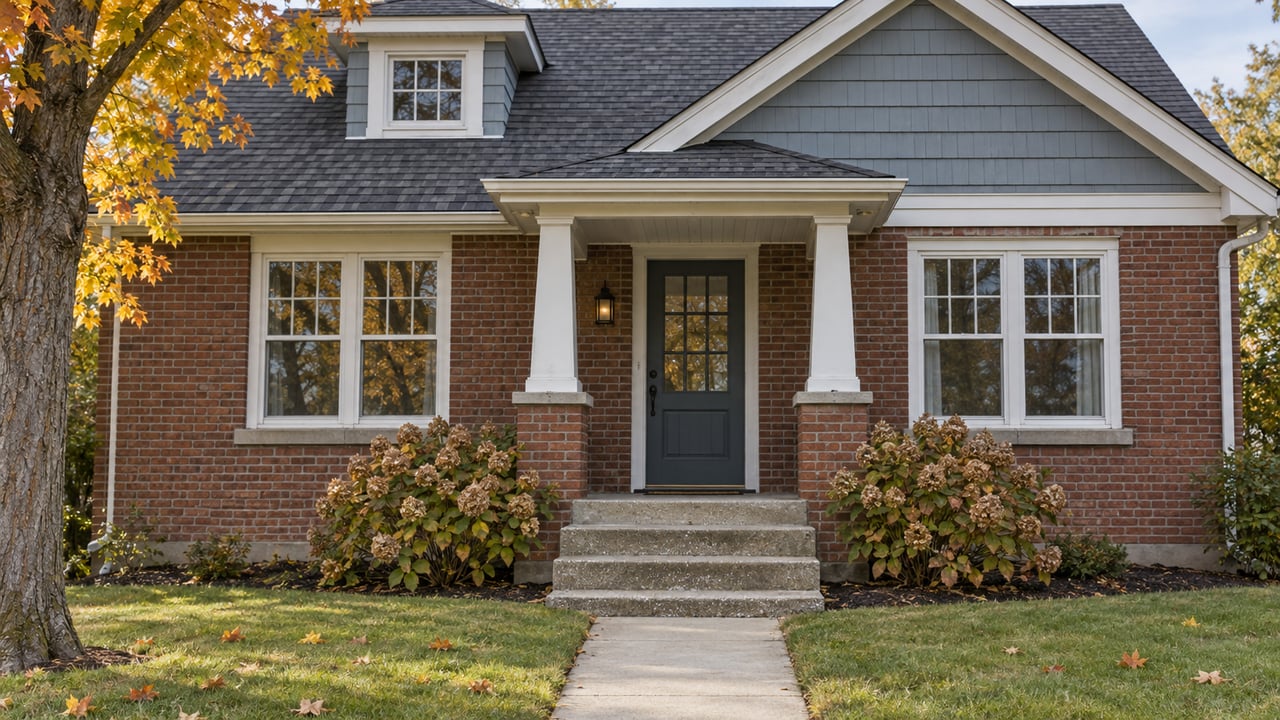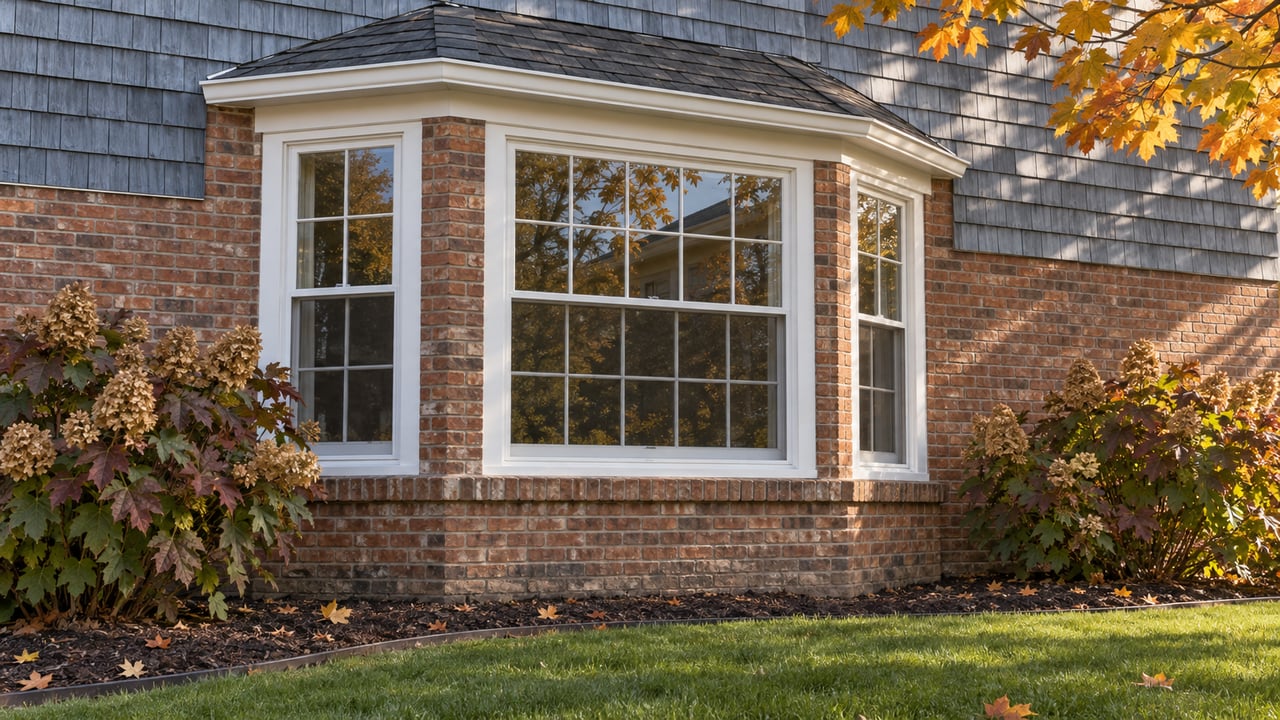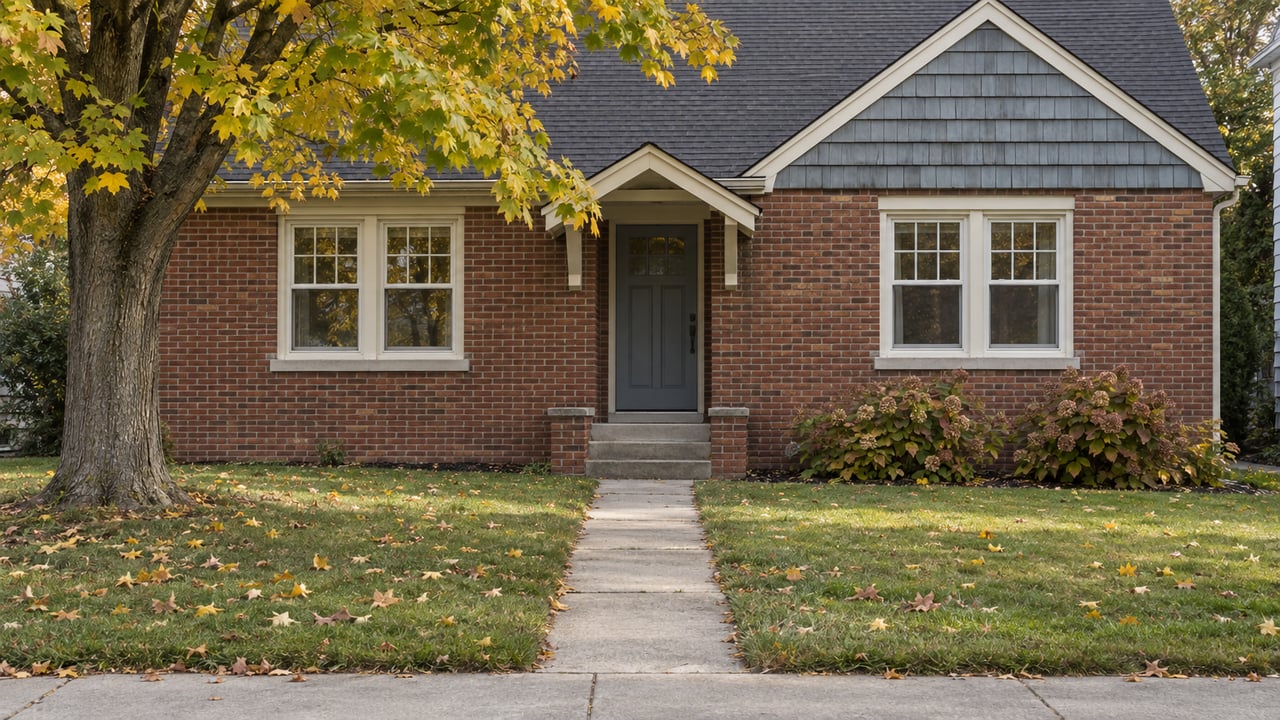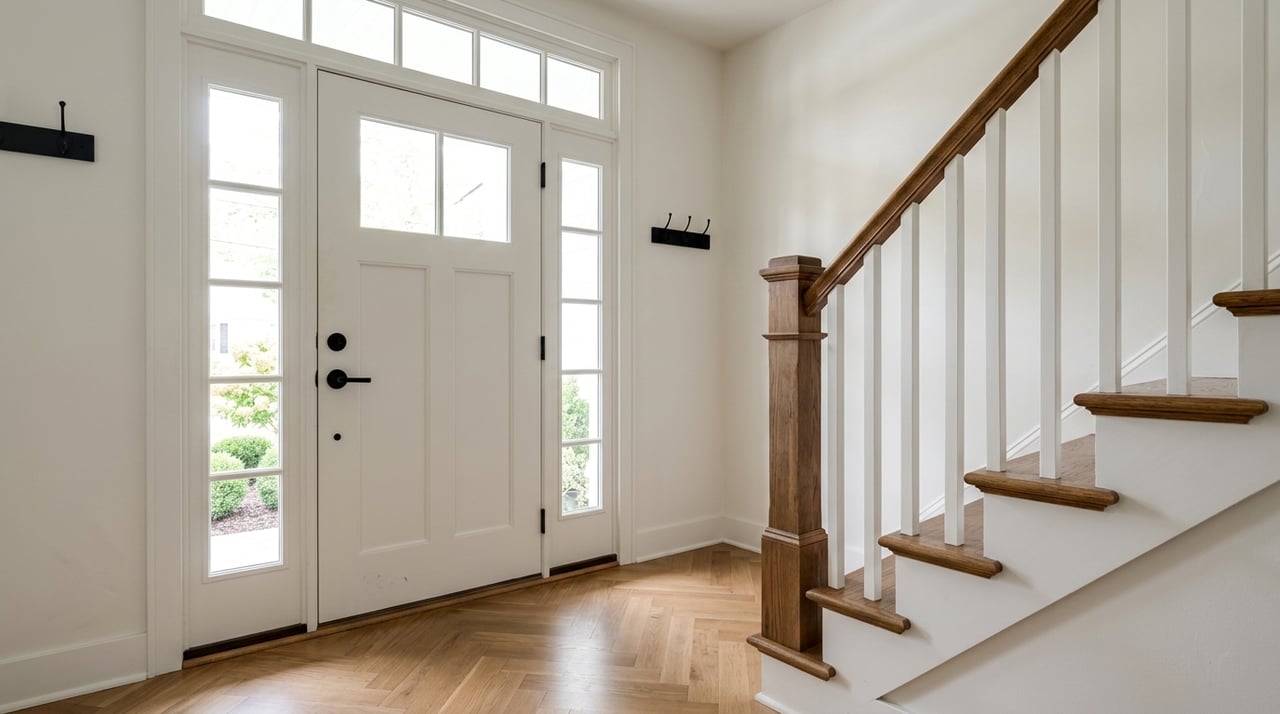
If you own a historic home in Huntington Woods, you already know you are not selling a cookie-cutter property. Buyers often see more than square footage here. They notice architectural detail, street presence, mature trees, and how a home fits into the rhythm of the neighborhood. If you want a thoughtful sale, it helps to prepare for those expectations early. Let’s dive in.
Why Huntington Woods historic homes stand apart
Huntington Woods has a strong identity tied to neighborhood character, walkability, mature trees, and housing with historic character. The city’s planning materials describe these features as part of what makes the community distinctive, which matters when you bring a home to market.
In the Hill Historic District, that character is especially visible. The city identifies 108 detached single-family homes there, with many built in the 1920s and 1930s. Tudor is the dominant style, and the district includes homes associated with architects such as Albert Kahn, Minoru Yamasaki, and Eero Saarinen.
That means buyers are often evaluating your home through a wider lens. They may care about original windows, brickwork, rooflines, lot context, and whether updates feel compatible with the home’s age and design. In a historic sale, the story is not just about what has changed. It is also about what has been preserved.
Confirm historic district status early
One of the first steps is to find out exactly which preservation rules apply to your property. That matters because local historic district designation and National Register status are not the same thing.
Michigan’s Local Historic Districts Act allows local governments to appoint historic district commissions that review proposed exterior work. In Huntington Woods, the city states that permit applications for construction, additions, alterations, and demolition in historic districts go before the Historic District Commission.
The city’s application materials show how broad that review can be. Exterior items may include windows, roofs, siding and trim, masonry cleaning, fences, landscaping or tree removal, and demolition. The form also allows on-site inspection by commissioners and city staff.
For you as a seller, the practical takeaway is simple:
- Confirm whether your home is in the Hill or Rackham historic district
- Review any past exterior work completed on the property
- Locate prior approvals, if they were required
- Check whether planned pre-listing work needs city review before it starts
This step can help you avoid delays, buyer concerns, and last-minute questions during escrow.
Gather documentation before listing
Historic-home sales usually go more smoothly when your paperwork is organized from the start. Older homes often have a longer repair history, more specialized updates, and more buyer questions.
Michigan’s Seller’s Disclosure Statement requires you to disclose known information in good faith, answer all questions, and use the best information available. The statute also says that if a signed disclosure statement is not provided, a buyer may be able to terminate an otherwise binding purchase agreement.
The disclosure form covers many issues that matter in older homes. These include electrical systems, plumbing, fireplaces and chimneys, settling, flooding, drainage, structural problems, major damage, underground storage tanks, municipal assessments, and pending litigation.
Before your home goes live, gather as much of the paper trail as you can, including:
- Dates and scope of remodels
- Permit records
- Historic district approvals
- Inspection reports
- Contractor invoices
- Roof and chimney repair records
- Electrical or plumbing upgrade records
- Engineering letters
- Preservation consultant notes, if available
A well-organized file does more than support disclosure. It can also reassure buyers that the home has been cared for with attention and consistency.
Prepare for lead paint rules if needed
If your home was built before 1978, lead-based paint rules may apply. In that case, sellers must disclose known information about lead-based paint hazards, provide available records, and give buyers the required EPA/HUD pamphlet before most sales of pre-1978 housing.
EPA guidance also says buyers must be given an opportunity for a 10-day inspection period unless that period is waived. If pre-listing work will disturb painted surfaces in an older home, renovation work should be handled by certified firms using lead-safe work practices.
This is another reason to plan ahead. If you are repainting, repairing trim, or updating windows or siding, you want to know the rules before work begins.
Focus on repairs that support value
When selling a historic home, not every imperfection needs to disappear. In many cases, buyers expect some age and patina. What matters most is whether the home feels sound, functional, and well maintained.
The National Park Service describes rehabilitation as making a historic property usable through repair, alterations, and additions while preserving features that convey its architectural or historical value. That principle is helpful when deciding what to fix before listing.
In Huntington Woods, the most sensitive pre-listing issues often include:
- Roof condition
- Chimney integrity
- Windows
- Masonry
- Drainage
- Foundation movement
- Aging electrical systems
- Aging plumbing systems
Fannie Mae guidance says defects affecting safety, soundness, or structural integrity must be reported. Minor wear may be manageable, but active leaks, significant foundation cracks, or inadequate systems are more likely to affect financing, inspections, and buyer confidence.
A thoughtful pre-listing strategy often means handling the items that create real risk while preserving the details that give the home its identity. If you are making cosmetic changes, choose methods and materials that keep the home’s original profile whenever possible.
Match updates to the home’s character
Historic buyers are often sensitive to changes that feel out of place. A repair or refresh that looks generic can weaken the overall impression, even if the work is new.
That does not mean you need to freeze the home in time. It means updates should feel compatible with the architecture. When original features remain, they often help buyers understand why the home is special.
Before making exterior changes, ask a few basic questions:
- Does this work preserve the home’s visible character?
- Is repair a better choice than replacement?
- Will the materials and profile fit the style of the house?
- Is Historic District Commission review required before starting?
This approach can help you protect both market appeal and compliance.
Expect closer inspection and appraisal review
Buyers often take a closer look at older homes, and that is normal. Michigan’s disclosure form itself tells buyers to obtain professional advice and inspections, including for indoor air and water quality and signs of mold, mildew, or bacteria.
For your sale, that means it is wise to expect more questions, not fewer. If the home has original systems, deferred maintenance, or a long renovation history, buyers may order additional inspections beyond a general home inspection.
Appraisal can also require more context in a historic sale. Fannie Mae says appraisers must analyze the most comparable sales, contract sales, and listings. It also notes that unique homes can still be financed if the appraiser has enough information to develop a credible opinion of value.
In a place like Huntington Woods, the best comparable sale is not always the newest or nearest one. Older or more distant comparable sales may be used when they are the best indicators of value, as long as the appraiser explains why they were chosen.
Create a strong feature packet
One of the smartest ways to support your sale is to prepare a concise feature packet for buyers and the appraiser. This can help explain what is original, what has been improved, and how the home has been maintained.
Your packet might include:
- A list of original architectural features
- A summary of major updates by year
- Permit and approval records
- Survey documents, if available
- Maintenance history
- Notes explaining any meaningful changes to materials or form
For a unique home, context matters. The more clearly you show the home’s condition, care, and character, the easier it is for others to understand its value.
Thoughtful selling reduces stress
Historic-home sales can feel layered because they are. You may be balancing preservation rules, disclosure requirements, buyer emotions, and practical repair choices all at once.
A calm, organized process makes a real difference. When you confirm district status early, gather records, prioritize the right repairs, and present the home with clarity, you reduce friction and build buyer trust.
If your sale also involves a family transition, trust administration, downsizing, or another major life event, that structure becomes even more important. Thoughtful preparation helps protect both your timeline and your peace of mind.
If you are preparing to sell a historic Huntington Woods home and want a calm, well-managed process, Abby Kushner can help you organize the details, protect the character of the property, and move forward with confidence.
FAQs
What makes a historic Huntington Woods home sale different from a typical sale?
- Buyers often evaluate architectural character, neighborhood context, preservation of original features, and documentation of updates in addition to layout and condition.
How do you know if a Huntington Woods home is in a local historic district?
- Huntington Woods identifies the Hill Historic District and Rackham Golf Course as local historic districts, and sellers should confirm district status with the city before planning exterior work or listing preparations.
What exterior work on a Huntington Woods historic home may need review?
- City materials list items such as windows, roofs, siding and trim, masonry cleaning, fences, landscaping or tree removal, and demolition as examples of work that may require Historic District Commission review.
What documents should sellers gather before listing an older Huntington Woods home?
- Helpful records include permits, historic district approvals, remodel dates, inspection reports, contractor invoices, roof and chimney repairs, system updates, and any engineering or preservation notes.
What should sellers disclose when selling a historic home in Michigan?
- Michigan’s Seller’s Disclosure Statement requires sellers to disclose known information in good faith using the best information available, including known issues involving systems, structure, drainage, fireplaces, and other material conditions.
Do lead-based paint rules apply to older Huntington Woods homes?
- If the home was built before 1978, sellers generally must disclose known lead-based paint information, provide available records and the required pamphlet, and allow the buyer an opportunity for a 10-day inspection period unless waived.
Which repairs matter most before listing a historic Huntington Woods home?
- Issues involving roof condition, chimney integrity, masonry, drainage, foundation movement, and aging electrical or plumbing systems often deserve close attention because they can affect safety, soundness, financing, and buyer confidence.
Why is an appraiser packet useful for a historic Huntington Woods property?
- A feature packet can help explain original details, updates, approvals, and maintenance history, which can support a clearer understanding of the home’s condition and value in a market where the best comparable properties may be limited.