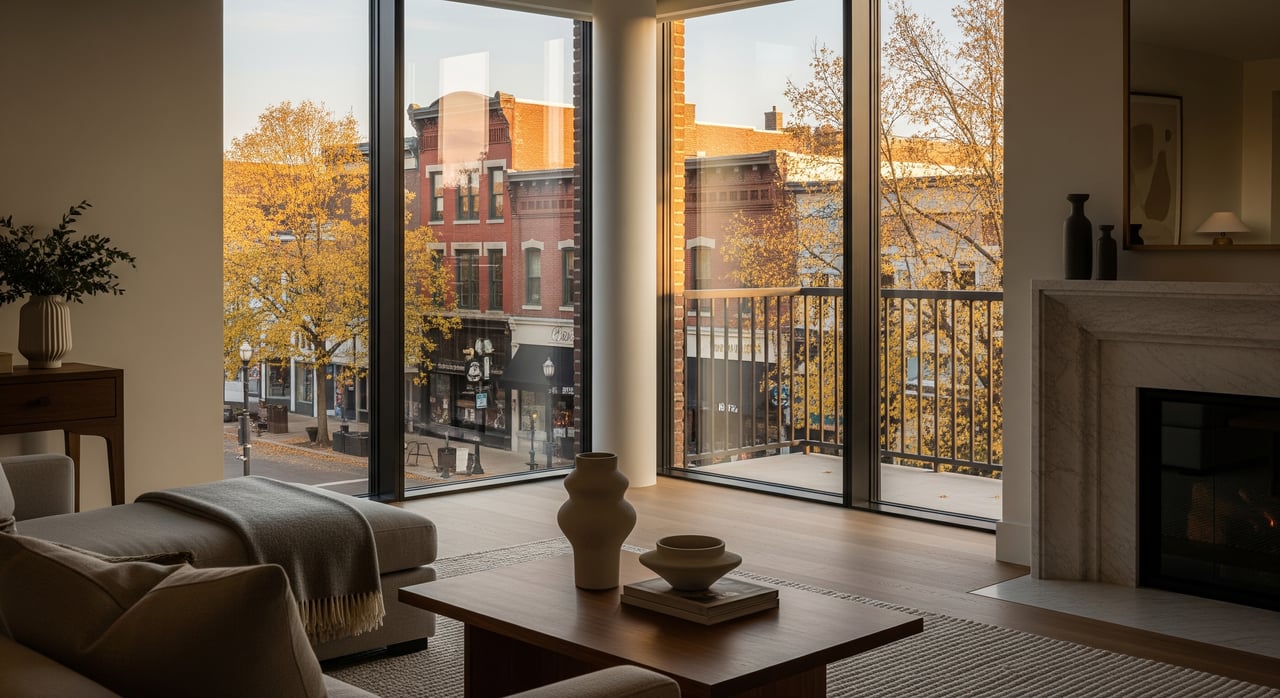
Craving a small, walkable downtown with coffee, errands, and dinner all within a few blocks? Downtown Birmingham, MI offers that lifestyle in Metro Detroit’s northern suburbs. If you want amenities close by without moving into a big city, you’re in the right place. In this guide, you’ll learn what day-to-day life feels like, which housing types fit different needs, what to consider for commuting and costs, and how to decide if downtown living is a match for you. Let’s dive in.
Where downtown Birmingham fits
Downtown Birmingham sits in Oakland County along Woodward Avenue, one of the region’s major north–south corridors. It anchors a cluster of higher-amenity inner suburbs north of Detroit and is often grouped with the Warren–Troy–Farmington Hills region in planning conversations. The downtown area is the city’s compact commercial heart, with shopping, dining, civic spaces, and services in close proximity. You get a suburban address with an urban-style daily routine.
For this guide, think of “downtown” as the walkable core along and around Woodward Avenue and the surrounding blocks within about a half to one mile of the central civic area. When you look at data or listings, make sure you are using the same geography so your comparisons are apples to apples.
How the area feels day to day
Walkability and streetscape
The core experience is simple: short blocks, wide sidewalks, and small distances between the places you use daily. You can head out on foot for coffee, a haircut, a pharmacy stop, and lunch without moving your car. Benches, storefront windows, and pocket plazas create a steady sense of activity. In winter, you will see seasonal maintenance at work so sidewalks stay usable, and in warmer months, outdoor seating makes the streets feel lively.
If walkability is a top priority for you, plan to preview the routes you will actually use. Walk to your potential building from the grocery, your favorite cafe, and the park at the times of day you care about most. That on-the-ground test tells you more than a map.
A day in downtown
- Morning: Grab coffee, hit a fitness class, and run a quick pharmacy errand. Many services are right in the core, so you can stack tasks with a short loop.
- Afternoon: Meet a friend for lunch, take a stroll through a central plaza or nearby park, and stop at a bank or salon. Specialty shopping is close by, while larger-format errands are a short drive on nearby corridors.
- Evening: Choose from casual or upscale dining, finish with a dessert spot or wine bar, and walk home. On weekends, seasonal events and farmers markets add extra energy and foot traffic.
Shopping, dining, and services
You will find a higher share of independent boutiques and restaurants, personal-care businesses, and professional services like banks and medical or dental offices. Daily needs such as coffee, pharmacy, and smaller grocery or specialty-food stops are either in the core or just beyond. When you need big-box items, it is a short drive to adjacent commercial areas along regional arterials.
The nightlife is more about conversation-friendly spots than stadium shows. For larger venues or concerts, nearby cities in the region offer those options. Many residents like the balance: plenty of choice for dinner and drinks without late-night crowds in front of their building.
Parks and community life
You will see one or more small parks or plazas right in the center that act as community living rooms. These spaces often host farmers markets, concerts, and seasonal festivals. Beyond the core, there are neighborhood parks and small nature areas for walking or quiet time outdoors. The city and the downtown business association typically post event calendars in advance, so you can plan around your interests or avoid street-closure nights if you prefer a quieter scene.
If outdoor time matters to you, visit during different seasons. Check how much shade, seating, lighting, and restroom access the spaces offer, and how close they are to the buildings you are considering.
Housing options near the core
Downtown Birmingham living usually means a mix of low- to mid-rise condominium buildings, apartments above retail, and newer infill townhomes. Within a short drive, you will find historic single-family homes, but the immediate core leans multi-unit.
The tradeoff is clear: less private outdoor space and more shared amenities and convenience. This is a strong fit if you want lower maintenance, easy lock-and-leave travel, or you are downsizing from a larger home and ready to simplify your daily routine.
When you evaluate buildings, focus on details that shape daily life:
- Parking: Assigned garage parking vs. surface or street, guest parking rules, and EV charging availability.
- Access and storage: Elevator service, in-unit or floor storage, bike rooms, and package-delivery setup.
- Fees and coverage: Condo or HOA fees and what they include. Clarify whether heat, water, trash, and landscaping are part of the dues.
- Building systems: Age and condition of roofs, HVAC, windows, and common areas. These items affect comfort and future assessments.
- Sound and privacy: Unit placement relative to restaurants, patios, and event spaces. Corner and courtyard-facing units may experience different sound patterns than street-facing ones.
Downsizer checklist
If you are moving from a single-family home to a downtown condo or townhome, use this quick checklist to keep decisions clear:
- Space plan: Measure furniture you will actually keep. Confirm storage options for seasonal items and hobbies.
- Parking: Verify your parking is deeded or assigned, and understand guest policies for holidays and events.
- Pets: Review pet rules and any weight or count limits before you fall in love with a building.
- Budget: Add HOA dues, utilities not covered by dues, and property taxes to your monthly plan.
- Access: Confirm elevator access, ramp entries, and package handling that match your lifestyle.
- Noise: Visit at dinner hour and weekend evenings to gauge street and patio activity.
- Timeline: If you are coordinating an estate sale, divorce, or a multi-step move, build a clear sequence with your agent so you avoid double moves.
Getting around and commuting
Driving is straightforward. Woodward Avenue runs directly through the area, and interstates like I‑75 and I‑696 are a short drive away for regional trips. Commute times vary widely depending on your destination, weather, and time of day. If you commute daily, test the route during your actual peak window.
Suburban bus service is available in the region and may serve stops in or near downtown Birmingham. Routes and frequency can change, so check current schedules if you plan to rely on transit.
Parking downtown typically includes a mix of public garages, metered street parking, and residential permit zones on nearby blocks. Policies and rates evolve, especially during construction or special events. Before you buy, review the latest parking rules and make a test run from your preferred garage to your building during peak dining hours.
For short trips, the compact street grid is easy to navigate on foot. If you plan to bike, look at local bike maps for lane coverage and consider storage and charging for e-bikes inside your building.
Everyday costs and services
Property taxes in the city follow Oakland County millage structures, with taxable value based on assessments. Because taxes and dues affect affordability, review both the annual tax estimate and the full HOA budget before you write an offer.
Utilities are generally a mix of municipal and private providers. In many buildings, water and trash may be included in dues, while electricity, internet, and gas might be separate. Confirm exactly what your monthly payment covers so you do not over- or under-budget.
Daily services are close at hand. You will find primary-care and specialty medical offices within or near the core, and hospitals are located in nearby suburbs. Full-service grocery options, pharmacies, banks, salons, and fitness studios are part of the normal downtown routine, with larger retailers a short drive away.
Noise, events, and tradeoffs
Living near a popular dining and shopping district brings energy and convenience. It can also mean more weekend traffic, delivery vehicles in the morning, and event nights when parking is tighter. These are normal urban-suburban tradeoffs.
You can manage them with smart choices. Choose a unit orientation that fits your sound tolerance, confirm window specifications, and clarify building policies for deliveries and move-ins. If you often host guests, ask about temporary parking options so you can plan around busy evenings.
Who loves downtown Birmingham living
You will see a mix of professionals who value quick errands and dining variety, empty nesters who want low-maintenance living close to services, and households that prioritize proximity to parks, community programs, and cultural options. The Birmingham Public Schools district serves parts of the city, and there are private and parochial options in the broader area. If schools are part of your decision, verify the exact attendance boundaries for a downtown address and review official district information.
How to evaluate the market like a local
Because the core covers a compact area, prices can vary block by block based on building age, finishes, amenities, and parking. Before you make an offer, ask your agent for a micro-market snapshot defined by a clear radius or street set so your comps align with your target buildings. A solid snapshot includes:
- Recent sales in the same building and in adjacent, similarly aged buildings
- Current price per square foot trends by bedroom count
- Months of inventory for condos and townhomes within the defined radius
- Typical time on market for move-in-ready units versus those needing updates
- A breakdown of HOA dues and what they cover across your top three buildings
This approach helps you see value, not just price, and avoid mismatched comparisons from outside the core.
How Abby Kushner helps
If you want the ease of a walkable downtown paired with a calm, process-driven purchase, you will appreciate working with a guide who knows the Birmingham and Bloomfield corridor at a block level. Abby brings specialist credentials and an empathetic, organized approach for life-event moves, along with full-service buyer and seller representation.
- For downsizers and seniors: Coordinated planning for rightsizing, timing, and services, with attention to access, storage, and building fit.
- For estate and trust sales: Clear communication with attorneys and fiduciaries, careful documentation, and market-based outcomes.
- For divorcing households: Neutral, structured facilitation that keeps decisions focused on process and results.
If downtown Birmingham living feels right for you, let’s take the next step together. Schedule a private consult, tour a few buildings at different times of day, and build a plan that fits your goals with clarity and confidence.
Ready when you are. Connect with Abby Kushner to start your downtown Birmingham search today.
FAQs
What does “downtown Birmingham” mean in this guide?
- It refers to the compact commercial core along and around Woodward Avenue and the surrounding blocks within roughly a half to one mile of the central civic area so data and expectations stay consistent.
Can you walk to daily errands in downtown Birmingham, MI?
- Yes, many residents complete coffee, pharmacy, salon, banking, and small grocery or specialty-food errands on foot, with larger-format shopping a short drive away.
What housing types are most common near the core?
- You will find low- to mid-rise condos, apartments above retail, and some newer townhomes, with historic single-family neighborhoods a short drive from the core.
How does parking work for residents and guests downtown?
- Buildings vary between assigned garage parking, surface or street options, and guest policies; the city also provides public garages and metered street parking near the core.
What school options serve downtown Birmingham addresses?
- Birmingham Public Schools serves parts of the city, and there are private and parochial schools in the broader area; verify exact attendance boundaries for a specific downtown address.
Is public transit a realistic option from downtown Birmingham?
- Regional bus service operates in the suburbs and may serve stops near downtown; check current routes and frequency if you plan to rely on transit for commuting.