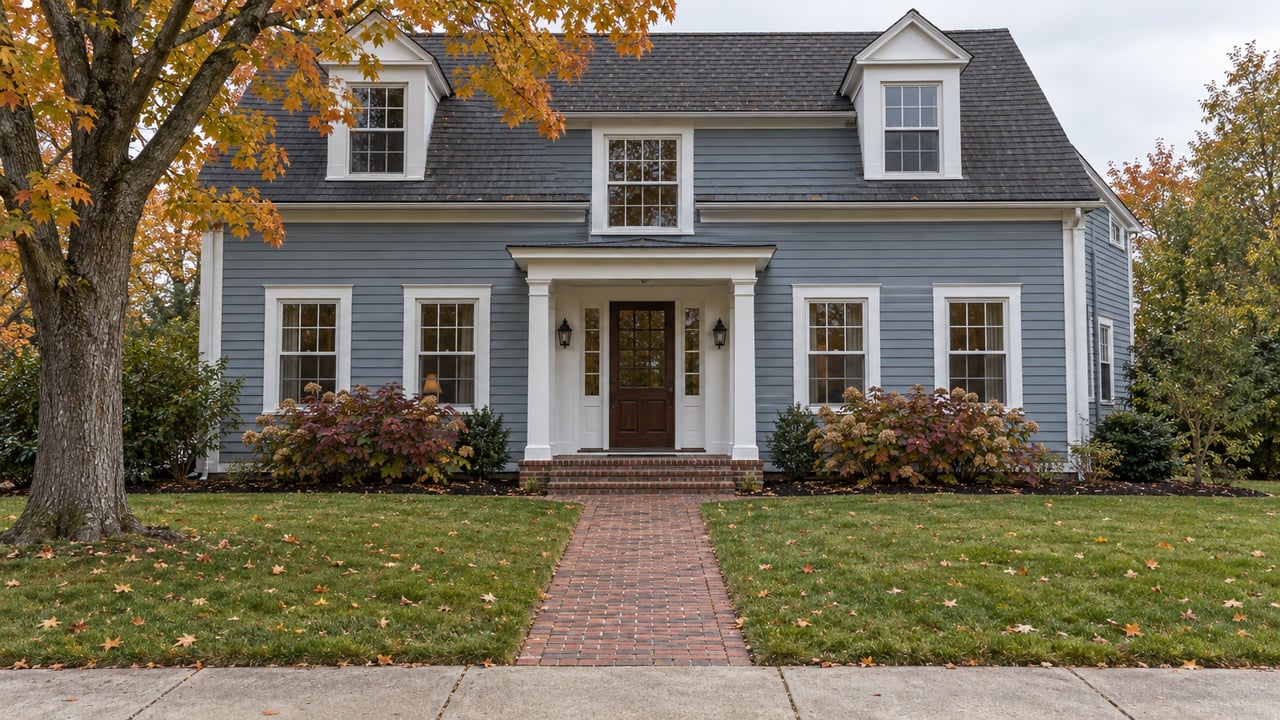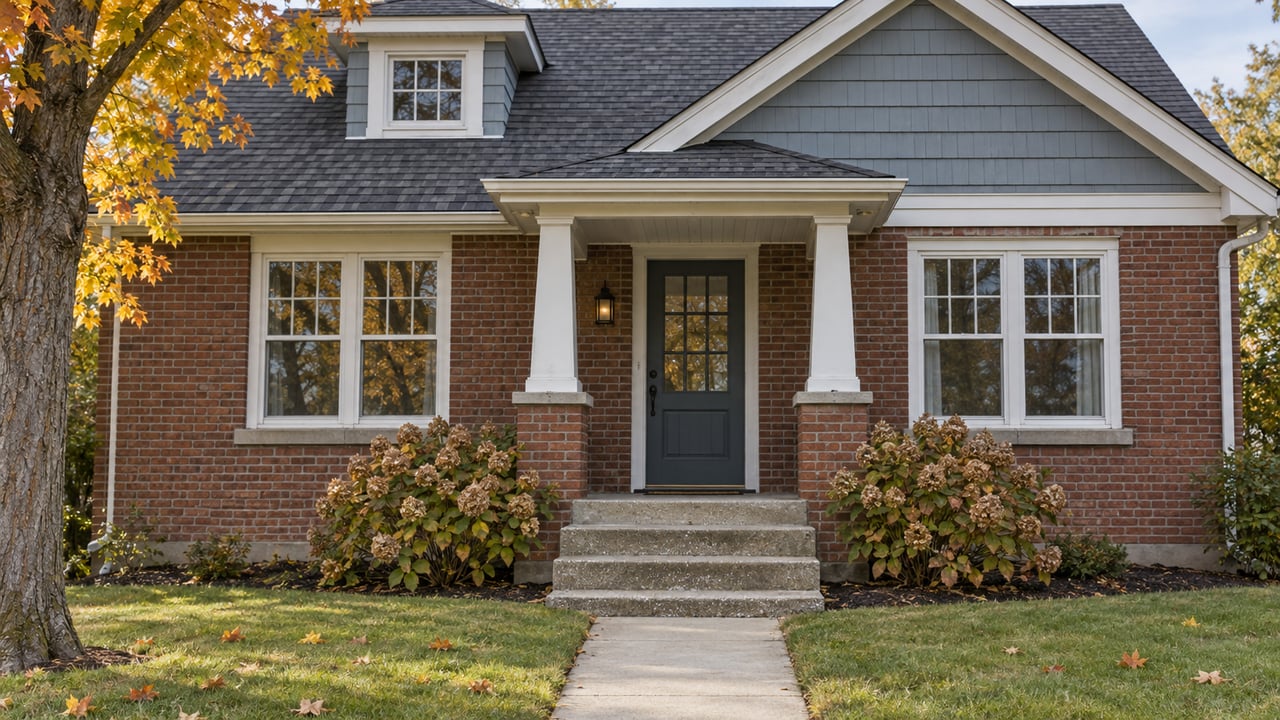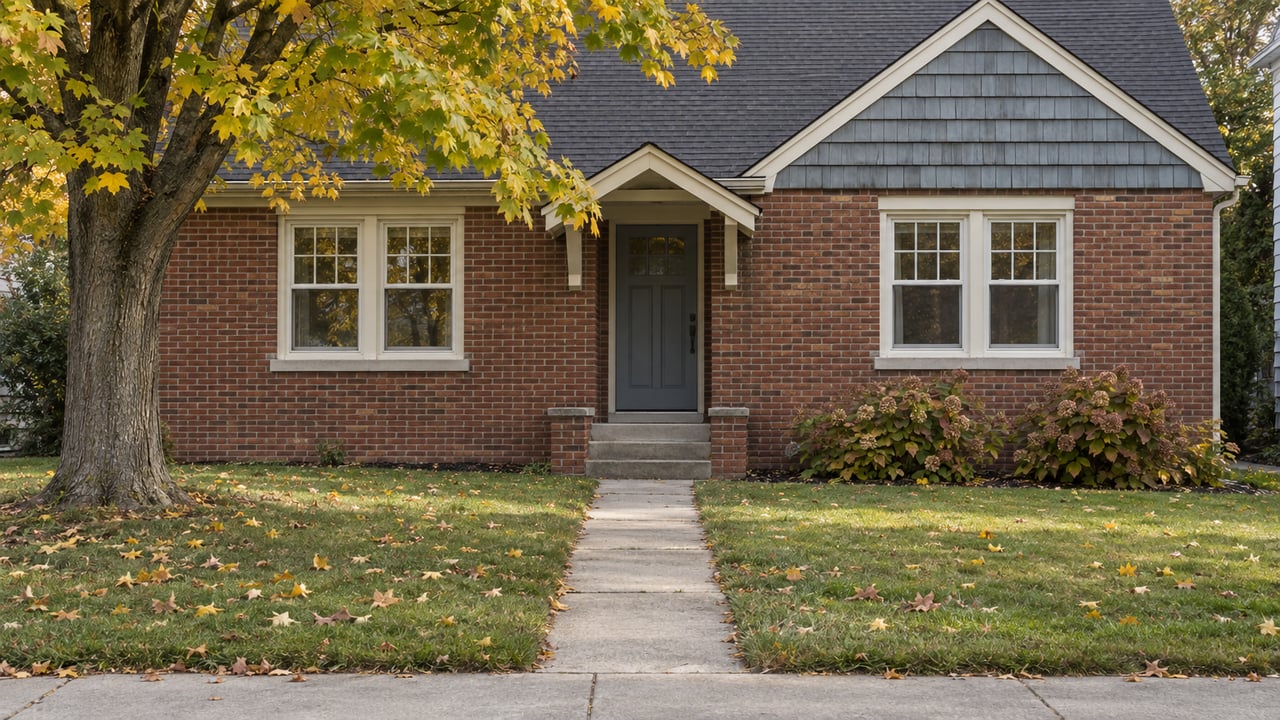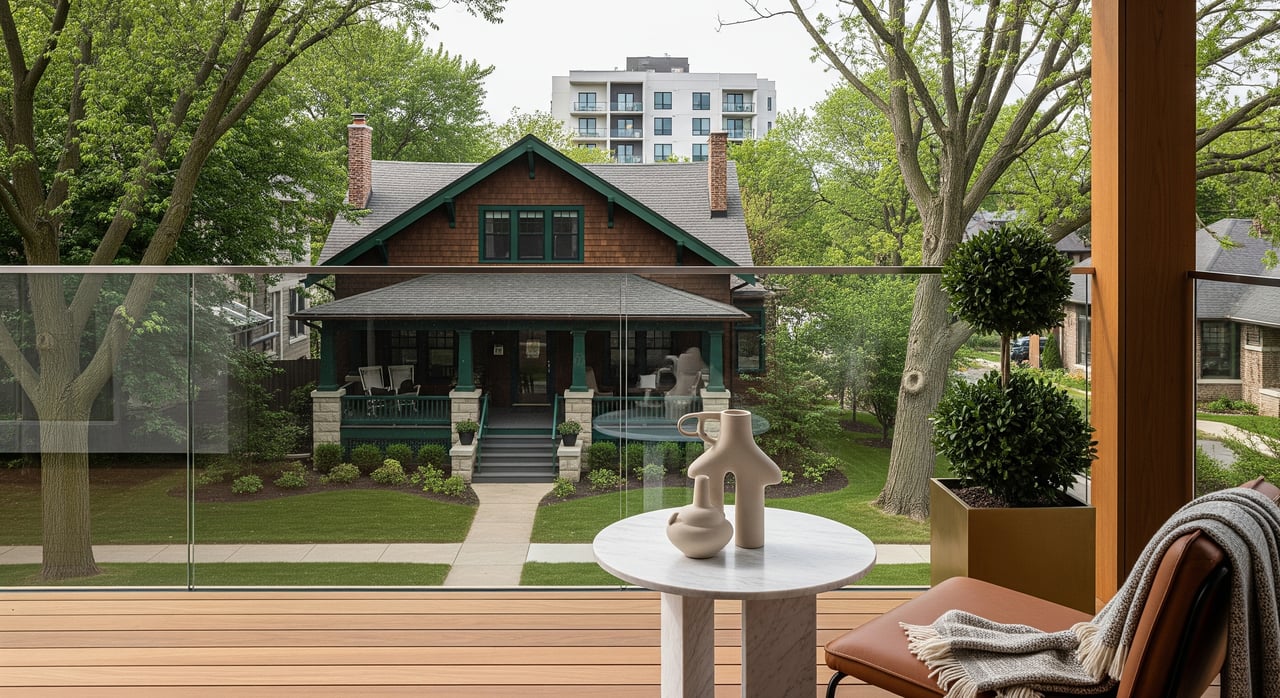
Thinking about a condo or a bungalow in Royal Oak, but not sure which one fits your life best? You are not alone. With a lively downtown, established neighborhoods, and a wide range of homes, Royal Oak offers great options for both low-maintenance condo living and classic bungalow ownership. In this guide, you will learn how each choice stacks up on cost, maintenance, lifestyle, rules, financing, and resale so you can move forward with clarity. Let’s dive in.
Royal Oak living at a glance
Royal Oak sits in Oakland County with quick access to Detroit and nearby job centers. You will find a pedestrian-friendly downtown with restaurants, shopping, and parks, plus older single-family neighborhoods with mid-century bungalows and Cape Cods. That mix attracts many buyer types, from first-time owners and young professionals to families, downsizers, and long-term planners.
If you want urban convenience and minimal upkeep, downtown condos near Main Street may stand out. If you value outdoor space and flexibility, the bungalow neighborhoods spread through north and central Royal Oak often fit better. Your day-to-day priorities will lead the way.
Cost and affordability
Purchase price and monthly budget
Condos often have a lower entry price compared with single-family bungalows in the same area. Bungalows typically command a premium for lot ownership and privacy. Both markets shift over time, so it is smart to review up-to-date prices, inventory, and days on market before you decide. Your monthly budget should account for principal and interest, taxes, insurance, and any association dues.
HOA fees vs. maintenance
With a condo, you will pay monthly HOA fees. Those dues cover shared costs like exterior upkeep, landscaping, snow removal, and building systems. With a bungalow, you avoid HOA fees, but you take on yard work, exterior maintenance, and potentially higher utility costs for a larger footprint. Either path impacts your total monthly housing cost.
Special assessments and reserves
Condo buyers should review the association’s reserves and history of special assessments. Strong reserves reduce the risk of large one-time charges for big repairs. Bungalow owners pay for capital projects themselves, such as roof replacement or foundation work, so you will want a maintenance plan and budget.
Maintenance and responsibility
Condo maintenance basics
Most exterior items are handled by the association. That can include the roof, siding, common areas, landscaping, snow removal, and sometimes shared mechanical systems. You are responsible for your unit’s interior and any assigned limited common elements, such as a balcony.
Bungalow maintenance basics
With a bungalow, you manage it all: roof, siding, windows, driveway, garage, lawn care, and pest control. This takes more time and planning but gives you full control over upgrades, schedules, and contractors.
Lifestyle and amenities
Walkability and downtown convenience
Condo buildings near downtown often provide secured access, fitness rooms, community spaces, and on-site or assigned parking. You get quick access to dining, services, and events. Amenities can raise HOA fees, so match features to what you will actually use.
Yard, privacy, and personalization
Bungalows offer private yards, garages, and space for gardens or outdoor dining. You can personalize the exterior more easily and pursue additions or renovations, subject to city zoning and permitting.
Noise, pets, and rules
Condos share walls and floors, which can increase noise transfer. Associations also set pet policies, guest rules, and quiet hours. Bungalows usually offer more separation from neighbors and more flexible pet options, but you still must follow municipal ordinances.
Ownership, rules, and governance
Condo associations and bylaws
Condominium living is guided by governing documents like the declaration and bylaws. These documents set rules for rentals, pets, parking, modifications, signage, and more. Associations can levy fines and assessments. Before buying, review governing documents, financials, meeting minutes, and insurance details so you know what to expect.
Single-family flexibility
Bungalow ownership is simpler. You are mainly subject to city ordinances and zoning rules. If the home sits in a local historic district or has deed restrictions, you may need approvals for certain changes. Always confirm what applies to your specific address.
Financing and insurance
Mortgage approvals
Financing a bungalow usually follows standard single-family underwriting. Condo loans can be more complex. Some lenders use stricter condo guidelines, and certain loan programs require project-level approval. Ask your lender early about condo eligibility and any extra documentation needed.
Insurance types and costs
Condo owners typically carry HO-6 insurance, which covers the interior and personal property, while the association maintains a master policy for common elements. Bungalow owners carry homeowners insurance that covers the structure and contents. Premiums vary based on age, replacement cost, condition, and risk factors.
Resale and marketability
Who buys each type
Condos often appeal to first-time buyers, young professionals, and downsizers who want minimal maintenance and proximity to services. Bungalows tend to draw buyers who want a yard, more autonomy, and long-term ownership potential.
What drives appreciation
For both condos and bungalows, location, condition, and supply-and-demand trends matter. Land value can help single-family homes hold appeal over time. Condo values can be more sensitive to building health, amenities, and association management.
Royal Oak specifics to verify
Neighborhood and location
Downtown Royal Oak provides high walkability and access to restaurants, services, and transit options. Established residential areas feature mid-century bungalows near parks and community amenities. Consider commute routes along Woodward Avenue and transit options for your specific address.
Parking and storage
In downtown condo buildings, parking can be deeded, assigned, or on street. Confirm how many spaces come with the unit, where they are located, and whether guest parking or storage is available. Bungalows usually include on-site driveways and garages.
Historic homes and updates
Many Royal Oak bungalows were built before or around the mid-20th century. Plan for potential updates to electrical systems, plumbing, insulation, and foundations. If the home predates 1978, discuss lead-paint risk with your inspector and consider sewer or drain line checks.
Taxes and assessments
Property taxes are administered by Oakland County and local authorities, and they can vary by property type and assessed value. For the most accurate estimate, review current assessment details and millage rates before you finalize your budget.
Due diligence checklists
For condo buyers
- Review HOA documents: declaration, bylaws, house rules, recent meeting minutes, budget, reserve study, and master insurance policy.
- Check financial health: operating budget, reserve balances, special assessment history, owner delinquency rates, and any lender approvals required for loans.
- Inspect the unit and building: interior systems, windows, balcony, plus the building envelope, roof age, elevators, plumbing risers, and any water intrusion reports.
- Confirm parking and storage: number of spaces, deeded vs. assigned, guest policies, and storage availability.
- Know the rules: rental caps, minimum lease terms, pet policies, remodeling approvals, and move-in procedures.
- Ask about litigation: any pending lawsuits involving the association or developer.
For bungalow buyers
- Schedule full inspections: roof, foundation and basement, HVAC, electrical, plumbing, insulation, and pest. Add sewer lateral and lead-paint evaluations as needed.
- Verify the lot: survey, boundaries, easements, setbacks, drainage, tree concerns, and floodplain status if applicable.
- Review mechanicals: age and condition of furnace, AC, and water heater; sump pump and backup systems; sewer backup coverage options.
- Plan for updates: understand zoning and permitting for additions, garages, or exterior changes, and confirm any historic or design restrictions.
For sellers
- Condos: Gather HOA documents, highlight recent building improvements, and disclose any known assessments or repairs.
- Bungalows: Complete key maintenance, prepare recent utility summaries if available, and enhance curb appeal with tidy landscaping and exterior touch-ups.
How to choose with confidence
Start with your daily life. If you want a lock-and-leave lifestyle close to restaurants and services, a condo near downtown may be the right fit. If you want outdoor space, privacy, and long-term flexibility, a bungalow in an established neighborhood may serve you better. Factor in your budget, tolerance for maintenance, and your near-term plans.
When you are ready to compare real options, partner with a local advisor who can pull the latest market data, explain association documents, and coordinate inspections and financing. If you are downsizing, navigating a life change, or simply ready for a new chapter, personalized guidance will make your next move smoother and more certain.
Ready to talk through your options and create a plan that fits you? Connect with Abby Kushner to schedule a confidential consultation.
FAQs
Is a condo or bungalow more affordable in Royal Oak?
- Condos often have lower entry prices, but HOA dues and special assessments can offset savings. Bungalows skip HOA fees but add maintenance and potentially higher utilities.
What maintenance differences should I expect?
- Condo associations handle most exterior and common-area tasks, while you manage your unit’s interior. Bungalow owners handle all maintenance, from roof to yard.
Are condos harder to finance than bungalows?
- Sometimes. Some lenders have stricter condo guidelines, and certain loans require project-level approval. Bungalow loans generally follow standard single-family rules.
How do rules differ between condos and bungalows?
- Condos follow association bylaws that set policies on pets, rentals, modifications, and parking. Bungalows mainly follow city zoning and ordinances, with fewer private restrictions.
Which option is better for long-term resale?
- It depends on location, condition, and market trends. Single-family land value can aid bungalows, while condo values depend more on building health and management.
What should I verify for downtown Royal Oak condos?
- Confirm parking rights, guest policies, storage, HOA reserves, special assessment history, and any rental or pet restrictions that affect your plans.