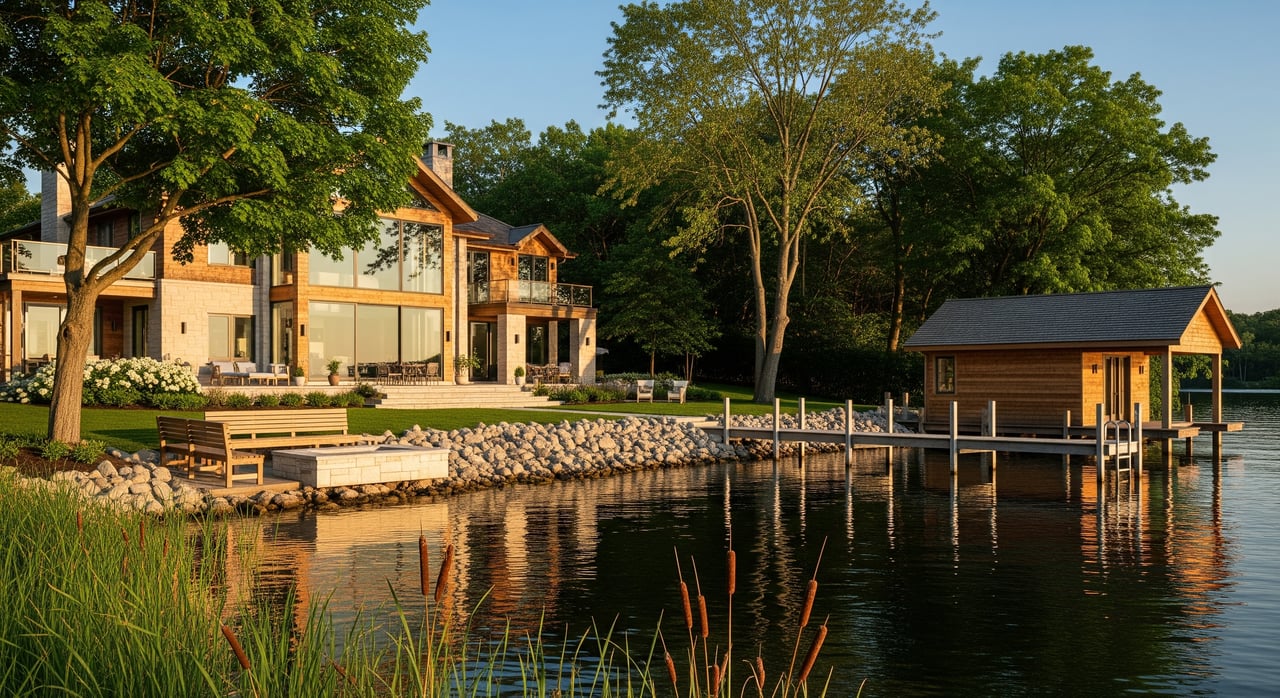
Picture your morning coffee on calm water, the light changing across the lake as the day begins. Buying a lakefront home in West Bloomfield can bring that vision to life, but it also adds layers of rules, inspections, and long-term costs that are different from a typical suburban purchase. If you understand those pieces upfront, you can move forward with clarity and confidence. This guide walks you through the essentials so you can make a smart, low‑stress decision. Let’s dive in.
Know your lake type
West Bloomfield Township is dotted with inland lakes, from large recreational options like Cass Lake and Orchard Lake to smaller private and semi‑private lakes. Each lake has its own character, use patterns, and governance. You will find fee‑simple waterfront lots, condominium or co‑op units with direct frontage, and properties with shared riparian access or community docks.
How you access the water affects day‑to‑day enjoyment and long‑term value. Direct frontage often comes with littoral rights that allow reasonable use of the shoreline, subject to local and state rules. Shared access may limit dock size, boat storage, or hours of use based on association bylaws. Before you fall in love with a view, confirm exactly what type of access the deed conveys.
Rights and rules
Littoral rights and access
Waterfront ownership in Michigan typically includes littoral rights, such as reasonable access to the water and dock placement. Those rights can be limited by deed restrictions, easements, or HOA and lake association rules. Verify whether any public access easements or municipal launches on the same lake influence privacy, boat traffic, or parking near your property.
HOA, covenants, and easements
Many neighborhoods around West Bloomfield lakes operate under HOA or lake association bylaws. These can regulate docks, boat types, wake hours, noise, parking, and guest use. Ask for the association’s budget, meeting minutes, and any recent or pending special assessments for lake management projects like dredging or aquatic invasive species control. Easements, including shared access strips, should be clearly shown on a title report and current survey.
Township zoning and setbacks
West Bloomfield Township’s zoning and building departments set setbacks, lot coverage, and what structures are allowed near the shoreline. Local ordinances may address dock size, boathouses, piers, and bulkheads. Because rules vary by zoning district, contact the township for the parcel’s exact requirements and to confirm any open permits or violations before you submit an offer.
State permits and protections
Work in, on, or near inland lakes is regulated under Michigan law. Activities such as dock installation, shoreline stabilization, dredging, or seawall construction may require permits or review by the state environmental agency. Wetlands and certain shoreline areas are protected, and altering vegetation can trigger permit needs. Always confirm permit history for existing shoreline work and obtain written approvals before planning new projects.
Surveys and shifting boundaries
Shoreline boundaries can change over time due to erosion or accretion. A current boundary survey is essential to avoid disputes and to understand where your littoral boundaries lie relative to neighbors. Confirm that the deed description, the survey, and any recorded easements all align.
Water, shoreline, and environment
Water quality and HABs
Michigan inland lakes can experience variable water clarity and seasonal weed growth. Some lakes may also see harmful algal blooms. Review available monitoring or advisory history for the specific lake, and ask neighbors or the lake association about recent patterns. Water quality influences recreation, aesthetics, and long‑term costs for management.
Aquatic invasive species
Aquatic invasive species such as Eurasian watermilfoil and zebra mussels are present in many Oakland County lakes. AIS can affect swimming areas, fishing, and boat operation, and they often require coordinated management. Lake associations sometimes operate prevention or boat‑wash programs. Ask for any AIS surveys and the current management plan.
Erosion and shoreline stabilization
Shoreline protection ranges from naturalized buffers to hardened structures like riprap and seawalls. Naturalized edges can reduce erosion and support habitat, while hardened solutions may shift wave energy to neighboring properties. If the property has existing stabilization, request permits and maintenance records. If it does not, evaluate erosion risk and the permit pathway for any future work.
Seasonal and ice impacts
Winter brings ice heave and freeze‑thaw cycles that can stress docks, seawalls, and boathouses. Plan for seasonal removal or storage of docks and lifts, and factor winter maintenance into your budget. Consider access logistics in snow, including private road plowing and safe storage for boats and equipment.
Systems and utilities
Septic systems and wells
Many lakefront homes rely on private wells and septic systems. Request septic permits, maintenance logs, and inspection reports. You will also want well testing for bacteria and nitrates, plus confirmation of proper setbacks between the well and septic. For older cottages, evaluate whether the site can support an updated system that meets modern standards.
Docks, lifts, and seawalls
Docks, lifts, and shoreline structures are major capital items. Inspect their condition and age, and verify permits for installation or replacement. Replacement timelines can be seasonal and permit‑driven, so build that into your planning.
Costs, insurance, and financing
Flood risk and insurance
Not every waterfront parcel sits in a FEMA flood zone, but many are near mapped areas. Your lender will require flood insurance if the home lies in a Special Flood Hazard Area. Even outside those zones, consider voluntary flood coverage based on site conditions and your tolerance for risk. Standard homeowner premiums for waterfront homes can be higher due to wind, water intrusion, and freeze‑thaw exposure.
Maintenance and association costs
Set a realistic annual budget. Ongoing costs can include dock repair or replacement, seawall maintenance, shoreline vegetation care, and private road or driveway upkeep. If the property is part of an HOA or lake association, factor in dues and the possibility of special assessments for projects like dredging or AIS treatment.
Financing, appraisals, and inspections
Waterfront properties are appraised using waterfront comparables, and unique features such as limited frontage or shared access can influence value. In addition to a standard home inspection, schedule specialized reviews for the septic system, well, shoreline condition, dock or seawall, and any structures near the water. Clear documentation supports your loan underwriting and protects resale value.
Resale factors
Resale tends to be stronger when the lake has good water quality, well‑maintained shorelines, and clear rights for docks and access. Public amenities like boat ramps can affect buyer demand in different ways, depending on your goals for privacy and use. Potential obstacles include a history of harmful algal blooms, persistent invasive species, restrictive covenants that limit use, or unresolved shoreline or boundary disputes. Addressing documentation and maintenance now protects your future exit.
Due diligence checklist
Use this list to organize documents and conversations before you finalize an offer. Request copies, not just verbal confirmations.
- Current boundary survey that shows the shoreline and any encroachments
- Preliminary title report with easements, deed restrictions, and any submerged‑land or public access easements
- West Bloomfield Township zoning district standards, waterfront setbacks, and any open permits or code items
- Recent tax bills and assessment history from Oakland County
- HOA or lake association bylaws, meeting minutes, budget, and any special assessments
- Permit history for docks, seawalls, dredging, or shoreline work
- Water quality monitoring or HAB advisory history from relevant agencies or the lake association
- Septic inspection and permit records, plus well testing results
- Shoreline condition report, including erosion history and maintenance of riprap or seawalls
- AIS survey findings and the lake’s management plan
- FEMA flood map status and your lender’s flood insurance requirements
- Professional inspections: home, septic, well, shoreline, and dock or seawall as applicable
Local process tips
Coordinate with township and county
Confirm zoning, setbacks, and any waterfront‑specific rules with West Bloomfield Township. Check Oakland County assessor and GIS records for parcel boundaries, tax history, and plats. These confirmations reduce surprises during appraisal and underwriting.
Engage the lake association early
Ask for budgets, bylaws, and AIS plans. Learn how the community handles weed control, wake rules, and nuisance issues. Clear expectations help you decide if the lake’s lifestyle fits your day‑to‑day needs.
Visit in different seasons
A spring afternoon feels different than a late‑summer weekend or a winter freeze. Visit at varied times to observe boat traffic, wind patterns, weed growth, and noise. You will gain a truer sense of how the property lives year‑round.
Build the right team
Lakefront purchases benefit from a coordinated approach. A knowledgeable agent, experienced inspectors, and clear communication with the township, county, and association will save time and stress. If your purchase is tied to a life event like a trust or estate, align your real estate timeline with legal steps to keep the process smooth.
Buying on the water should feel exciting, not overwhelming. With the right preparation, you can enjoy the lifestyle you want while protecting your investment. If you would like a calm, step‑by‑step plan tailored to West Bloomfield lakes, connect with Abby Kushner to Schedule a Confidential Consultation.
FAQs
Do I automatically have the right to build a dock on West Bloomfield lakes?
- Not automatically, since dock rights depend on your deed and littoral rights, plus HOA rules, township zoning, and state permits.
Will I need flood insurance for a West Bloomfield lake home?
- You will need it if the home is in a FEMA Special Flood Hazard Area and your lender requires coverage, though voluntary flood insurance is worth evaluating even if not required.
Who maintains the lake and handles invasive species in Oakland County?
- Responsibility is typically shared among the lake association, the township, and individual owners, so review budgets and aquatic invasive species plans before buying.
Are boathouses and seawalls allowed on West Bloomfield shorelines?
- They may be allowed but usually require permits and must meet local setbacks and state environmental requirements.
How can I check water quality before buying a West Bloomfield lakefront home?
- Review monitoring or advisory reports from relevant agencies or the lake association, visit in different seasons, and ask neighbors about harmful algal blooms and weed history.