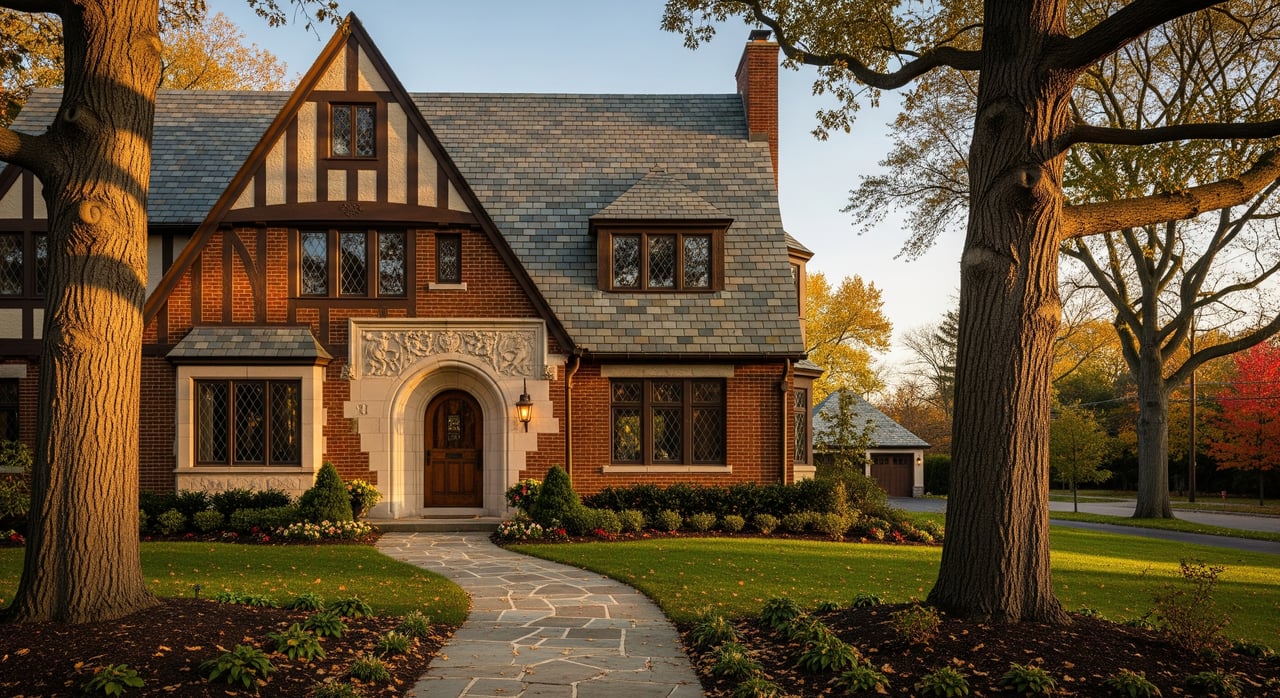
Love the charm of original woodwork, leaded glass, and tree‑lined streets? If you’re drawn to the character of early 20th‑century homes, Huntington Woods is a smart place to look. You want history without guesswork and beauty without surprise costs. In this guide, you’ll learn how to confirm historic status, plan inspections, choose financing, and map out a confident path to the closing table. Let’s dive in.
Why Huntington Woods historic homes stand out
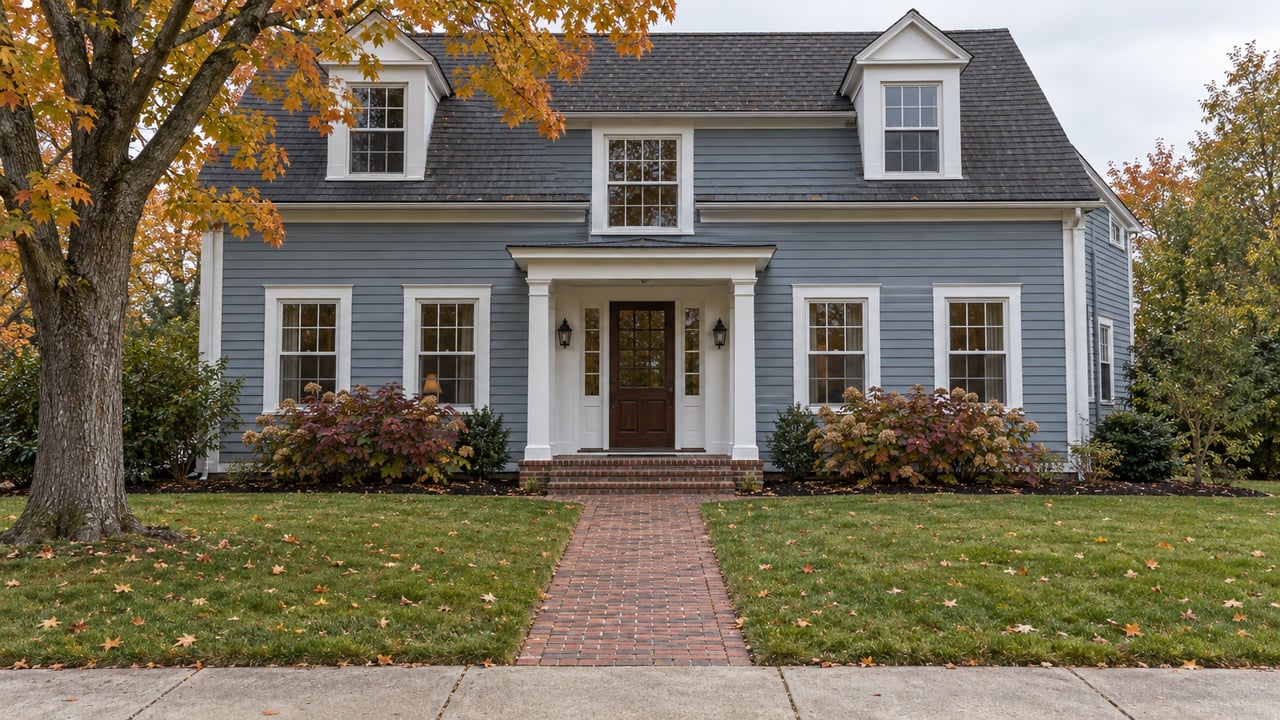
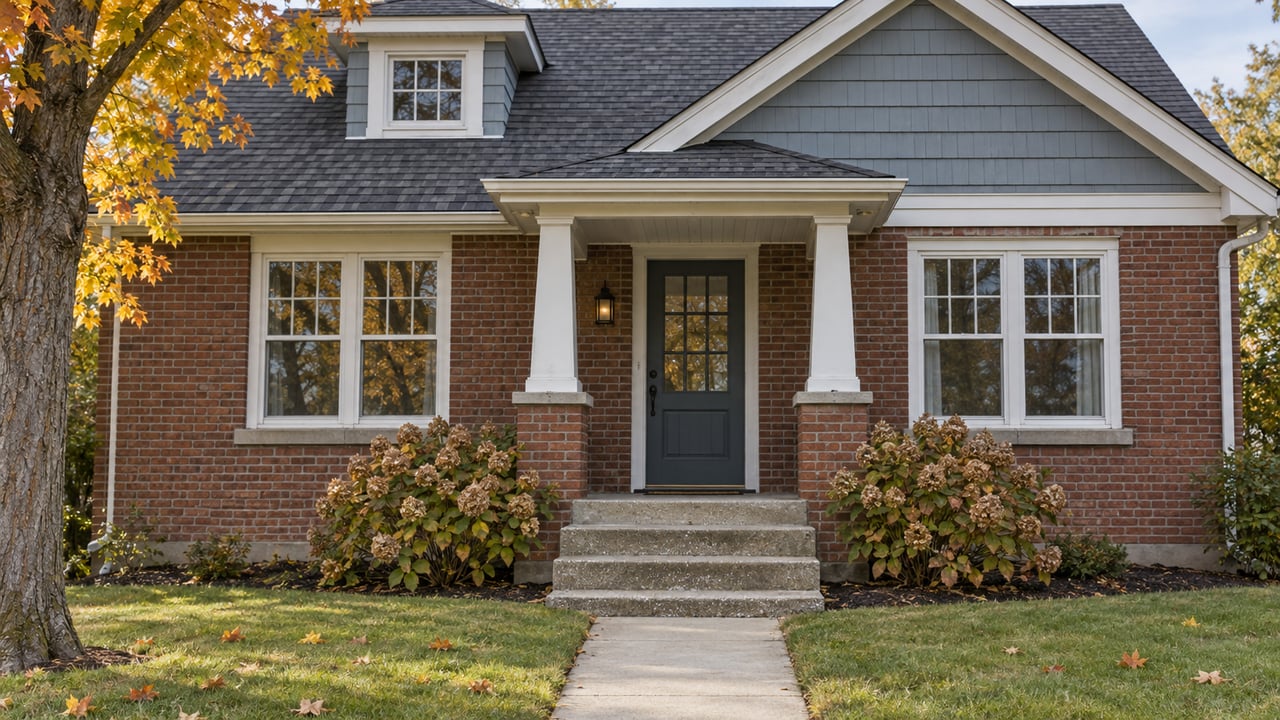
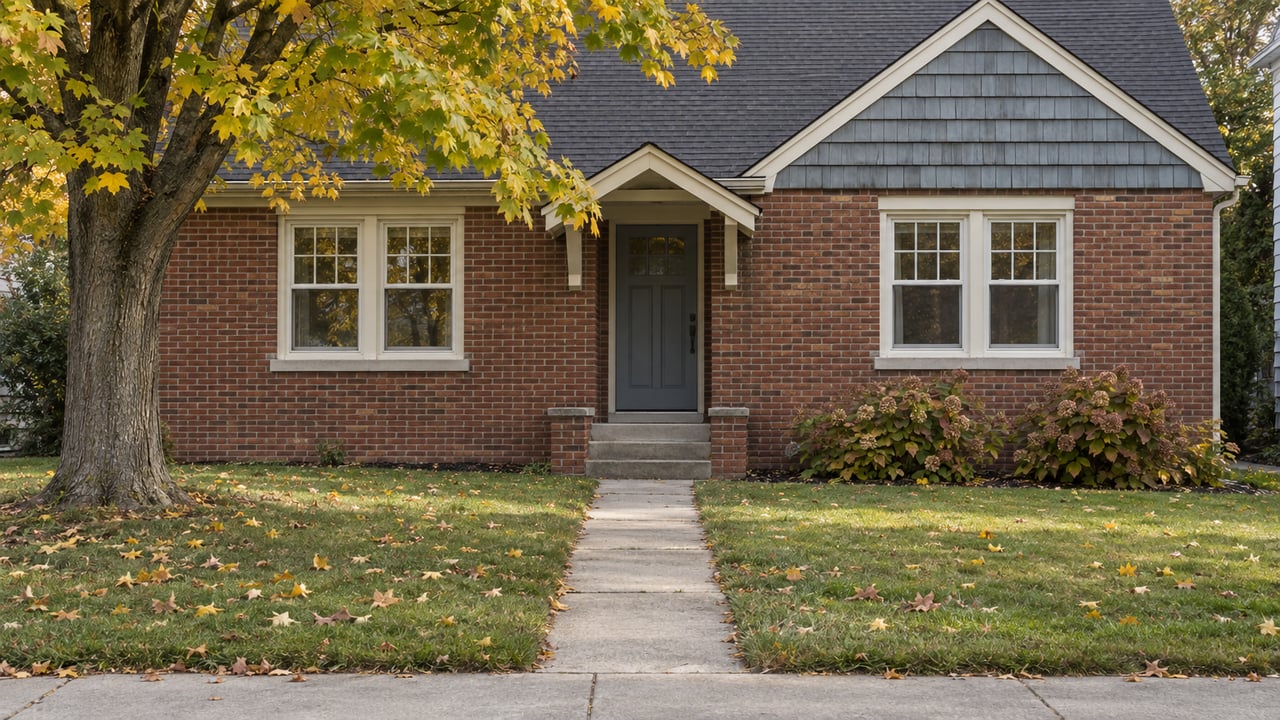
Huntington Woods is known for established neighborhoods with classic architecture. You’ll often see bungalows and Craftsman cottages alongside Tudor Revival, Colonial Revival, Dutch Colonial, and foursquare homes from the 1910s through the 1940s, plus some early post‑war builds.
Mature tree canopies, consistent setbacks, and welcoming front porches shape the streetscape. These details add curb appeal and, in some cases, may be considered in local design review if a property sits in a protected area.
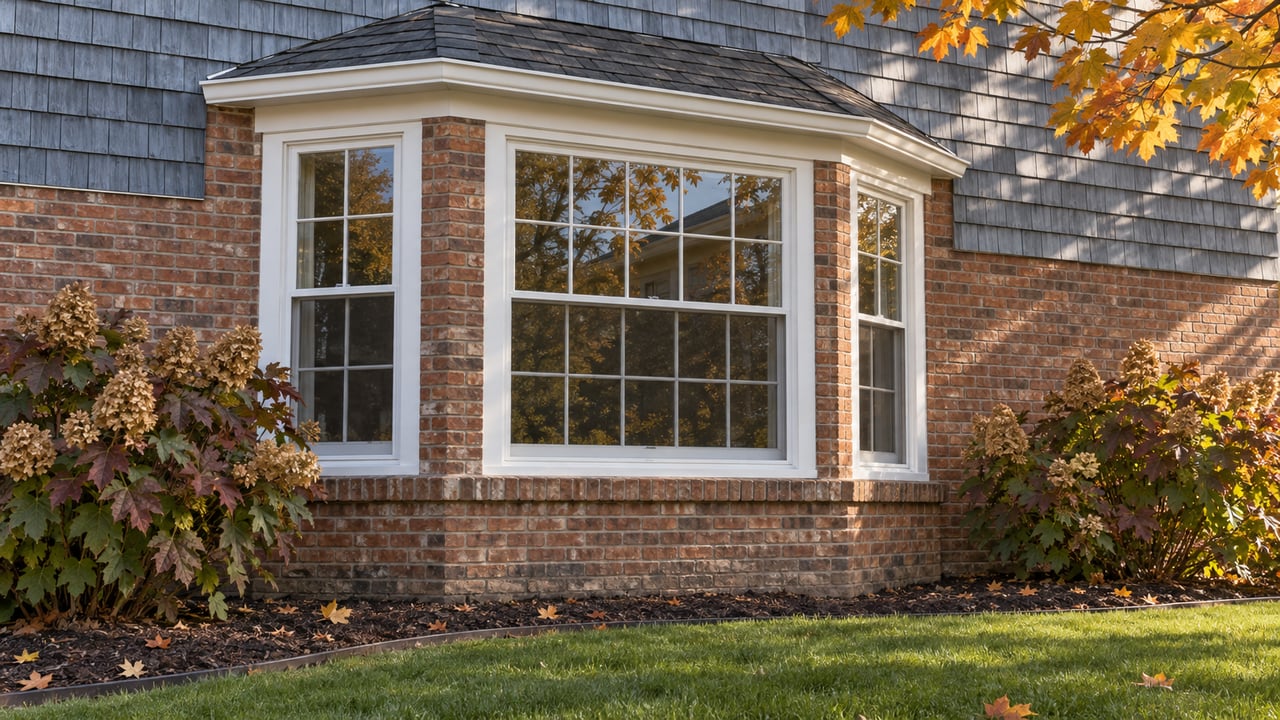
Well‑kept historic homes tend to hold buyer interest. Original trim, windows, and brickwork can boost resale appeal if they’re preserved. Homes with deferred maintenance can be great opportunities, but expect higher total project costs and more planning.
Understand historic status and rules
Before you fall in love with a house, check whether any historic rules apply. Different types of recognition carry very different implications for you as an owner.
National vs. local designation
- National Register of Historic Places: This listing is honorary for most single‑family homes. It can open the door to certain tax incentives for income‑producing properties, but it usually does not restrict what a private owner can change. For best‑practice rehab guidance, review the Secretary of the Interior’s Standards for Rehabilitation.
- Local historic district or ordinance: This is where binding rules typically live. Exterior work visible from the street often requires review and approval by a local historic commission. Timelines and submittal requirements vary by city.
How to verify restrictions and timelines
- Contact the City of Huntington Woods Planning/Building Department to confirm whether a property lies in a local historic district and what exterior elements need review. Start with the city’s official website.
- Ask the Michigan State Historic Preservation Office about state or National Register listing status and available programs. Visit the Michigan SHPO.
- Order a title commitment and look for recorded historic easements or deed restrictions. You can search records with the Oakland County Register of Deeds.
- Plan for review meetings if approvals are required. Submittals, materials samples, and drawings may be needed, and approvals can take weeks based on scope.
Due diligence: inspections and red flags
Older homes reward careful inspections. In addition to a standard home inspection, line up specialists who understand historic building methods and materials.
Specialized inspections to order
- Lead‑based paint risk assessment or inspection for pre‑1978 homes. Review health and contractor requirements through the EPA’s lead guidance.
- Asbestos evaluation if you plan to disturb old floor tiles, mastics, or pipe insulation.
- Electrical system review focused on knob‑and‑tube circuits, two‑prong outlets, grounding, and panel capacity. See the Electrical Safety Foundation International’s resources on electrical safety in older homes.
- Plumbing assessment for galvanized supply lines, cast‑iron drains, and clay sewer laterals. A sewer scope is wise.
- Roof, flashing, and masonry check, including chimney stability and mortar condition.
- Foundation and moisture evaluation for drainage, sump systems, and potential hydrostatic pressure.
- Radon test. Michigan has areas with elevated levels; learn more from the EPA’s radon overview.
- Pest inspection for termites, carpenter ants, and wood rot.
Common hidden costs
- Window repair or restoration for single‑pane sashes with deterioration. Many owners choose repair and weatherization to keep the look and feel of the original house.
- Insulation and air‑sealing upgrades, especially in attics and walls, done with care to protect historic finishes.
- HVAC modernization and ducting that respects historic fabric while improving comfort.
- Structural fixes like porch stabilization, brick repointing, or addressing settlement.
- Hazardous‑materials work, including lead stabilization or asbestos abatement, which can add time and cost.
Tip: Bring in a preservation‑savvy contractor or architect to scope work aligned with recognized standards. Repair before replacement usually protects character and can reduce long‑term costs.
Financing, incentives, and insurance
Historic homes can require upfront investment. The right loan and insurance strategy helps you plan, not react.
Renovation‑friendly loans
- FHA 203(k) Rehabilitation Mortgage combines purchase and renovation in one loan. Review program basics with HUD’s 203(k) guidance.
- Fannie Mae HomeStyle Renovation offers a conventional purchase‑plus‑renovation path. See HomeStyle Renovation details.
- Lenders may ask for bids and a clear scope for deferred repairs. Build in time for planning and appraisals.
Tax incentives and grants
- Federal Historic Rehabilitation Tax Credit is generally for income‑producing properties, not owner‑occupied single‑family homes. Learn the basics on the National Park Service tax incentives page.
- State or local incentives can change. Check with the Michigan SHPO and the City of Huntington Woods for current programs.
Insurance and taxes
- Ask about replacement‑cost coverage that aligns with the materials you plan to maintain, such as slate roofing or wood siding. Some carriers require system upgrades first.
- Property taxes follow assessed value. Significant rehabilitation can raise assessments, while any local incentive program may offer relief. Confirm details with local officials.
Step‑by‑step buying checklist
Pre‑offer
- Partner with a local agent who knows Huntington Woods and historic homes.
- Request available documentation from the seller: prior permits, plans, and contractor records.
- Confirm whether the property sits in a local historic district via the city’s Planning/Building Department.
- Order a standard home inspection plus specialized inspections: lead, asbestos, electrical, radon, sewer scope, and masonry.
- Obtain a title commitment and check for recorded easements or deed restrictions through the Oakland County Register of Deeds.
Offer and contract
- Include inspection contingencies that allow for specialized testing and cost estimates.
- If renovations are significant, add a financing contingency tied to 203(k) or HomeStyle approval.
- Negotiate seller credits or price adjustments for health, safety, or hazardous‑materials work.
- If local review applies, include time to secure required approvals after closing or as needed.
Pre‑closing and permitting
- Confirm with the city what exterior work needs review and the expected timeline.
- Gather at least two bids from contractors experienced in preservation work; ask for references.
- Prepare materials samples or mockups for exterior work that will be reviewed against recognized standards, such as the Secretary of the Interior’s Standards.
Post‑purchase: first 90 days
- Prioritize health and safety: electrical, heating, and water issues first.
- Protect the envelope: roof, gutters, flashing, grading, and drainage.
- Map a phased plan for window repair, insulation, and HVAC improvements that respect historic fabric.
- Keep organized records and photos of all work for future resale and any incentive applications.
Local resources
- City of Huntington Woods: planning, permits, and local ordinances. Start at the city’s official website.
- Michigan State Historic Preservation Office: listings, guidance, and state programs. Visit the SHPO site.
- National guidance: review the Secretary of the Interior’s Standards for Rehabilitation.
- Health and safety: EPA lead and EPA radon.
- Electrical safety in older homes: resources from ESFI.
- Title and easements: Oakland County Register of Deeds.
- Renovation financing: HUD’s FHA 203(k) and Fannie Mae HomeStyle Renovation.
Ready to move forward?
Buying a historic home in Huntington Woods is as much about stewardship as it is about lifestyle. With the right due diligence and a clear plan, you can preserve what makes the home special while updating for comfort and safety. If you want a calm, structured process and a local advocate who coordinates inspectors, contractors, and approvals, reach out to Abby Kushner to start a conversation.
FAQs
What does “historic” mean when buying in Huntington Woods?
- “Historic” can refer to a home’s age or architectural character, a National Register listing, or inclusion in a local historic district. Local districts typically carry binding rules for exterior changes.
How do I check if a Huntington Woods home is in a local historic district?
- Contact the city’s Planning/Building Department through the official website and request district maps, ordinances, and review procedures for exterior work.
Are there tax credits for restoring a single‑family historic home?
- Federal rehabilitation tax credits generally apply to income‑producing properties. Check the NPS tax incentives page and the Michigan SHPO for current programs.
What inspections are most critical for older homes in Michigan?
- In addition to a general inspection, prioritize lead paint, electrical systems, sewer scope, radon testing, and a thorough roof, masonry, and moisture assessment.
Can I replace original windows to improve energy efficiency?
- Many owners start with repair, weatherstripping, and storm windows to preserve character and improve performance. If replacement is needed, you may need local approval for materials and appearance.
Will a historic status delay my renovation timeline?
- If local review applies, plan for submittals and scheduled meeting dates. Allow several weeks for approvals, especially for visible exterior changes or additions.